Once reserved for elite athletes, biohacking technologies have elbowed their way to the forefront of luxury wellness. But what exactly is it? Scarlet Spy investigates
According to Oxford University Press, biohacking is “an attempt to improve or optimize one’s physical or mental performance, health, longevity or wellbeing by altering one’s diet, exercise routine, or lifestyle, or by using other means such as drugs, supplements or
technological devices.”
In fact, biohacking has become so entrenched in our culture, that the word ‘biohack’ made the shortlist (three words, out of a 25-billion-word corpus, that reflect our experiences and conversations over the past year) for Oxford University Press’ Oxford Word of the Year 2025 – though it was pipped to the post by ‘rage bait’ (make of that what you will).
It’s no surprise that wellness-focused spas are embracing biohacking tech - providing personalisation through AI, touchless wellness that’s minimising human contact (gulp), and biohacking tools designed to support peak performance. Here’s our go-to treatments and where to find them…
INFARED SAUNAS

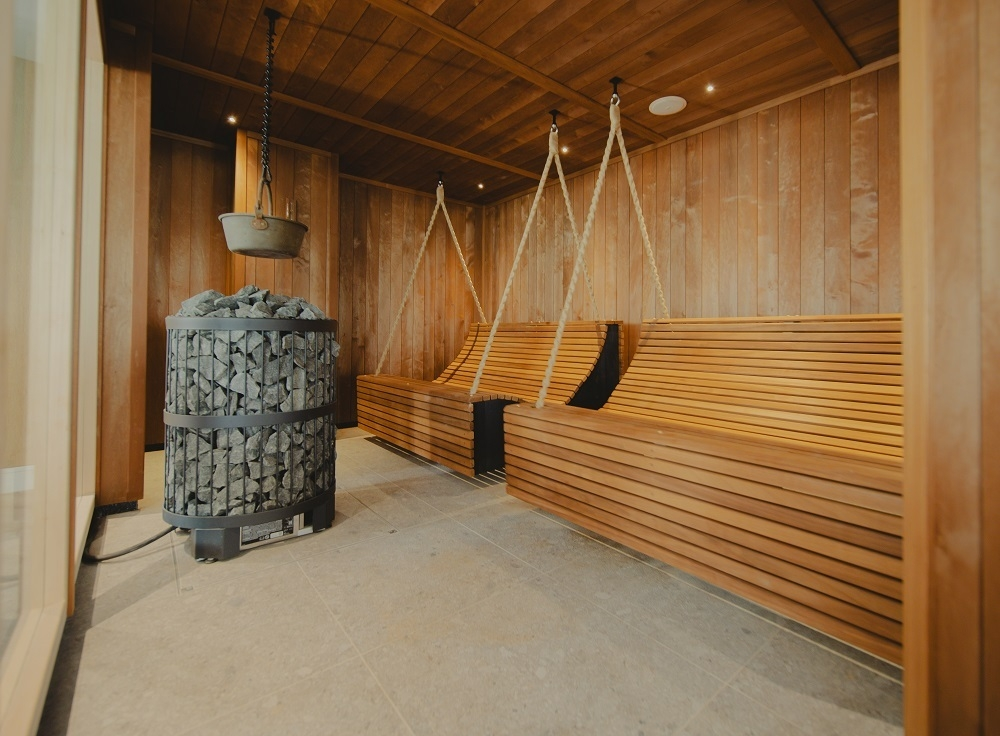
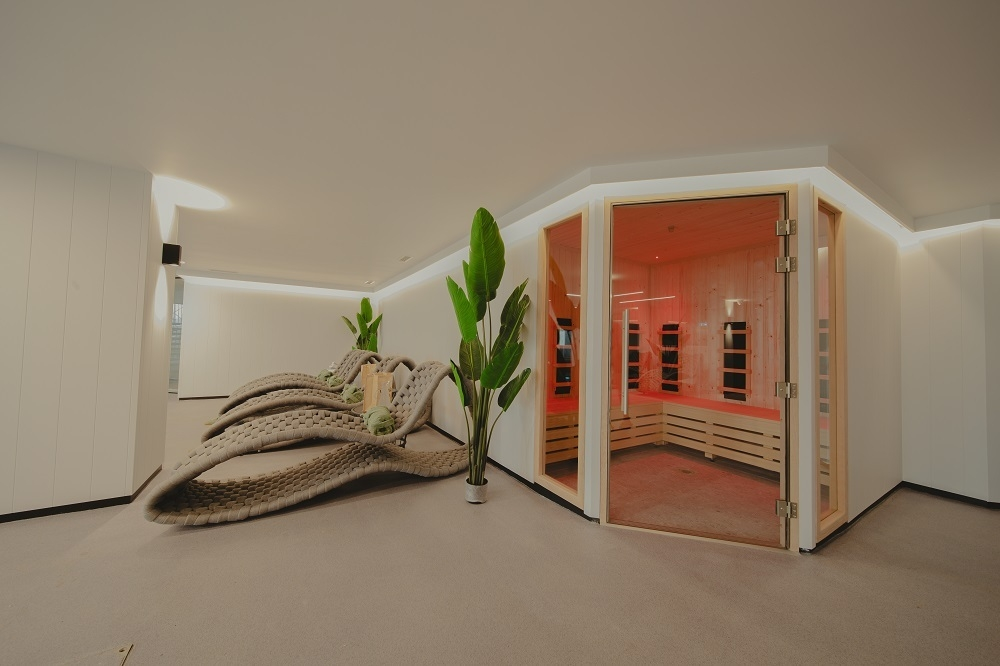
The Spa Spies have noticed more and more Infrared saunas springing up at forward-thinking spas. But why the fuss? Unlike a traditional sauna (which usually sits between 70-100ºC), infrared saunas are much cooler (around 40-60ºC), allowing you to gently toast for much longer. The type of heat is different too: heating panels emit infrared light to heat your body directly, rather than the air around you, so you can still expect to get a comfortable sweat on.
The list of benefits is impressive: the heat penetrates tissues to support detox, circulation and skin health, and may also help lower blood pressure. It’s reported to ease joint stiffness and chronic pain; some research even suggests it can help reduce inflammation, lower stress levels and calm the nervous system.
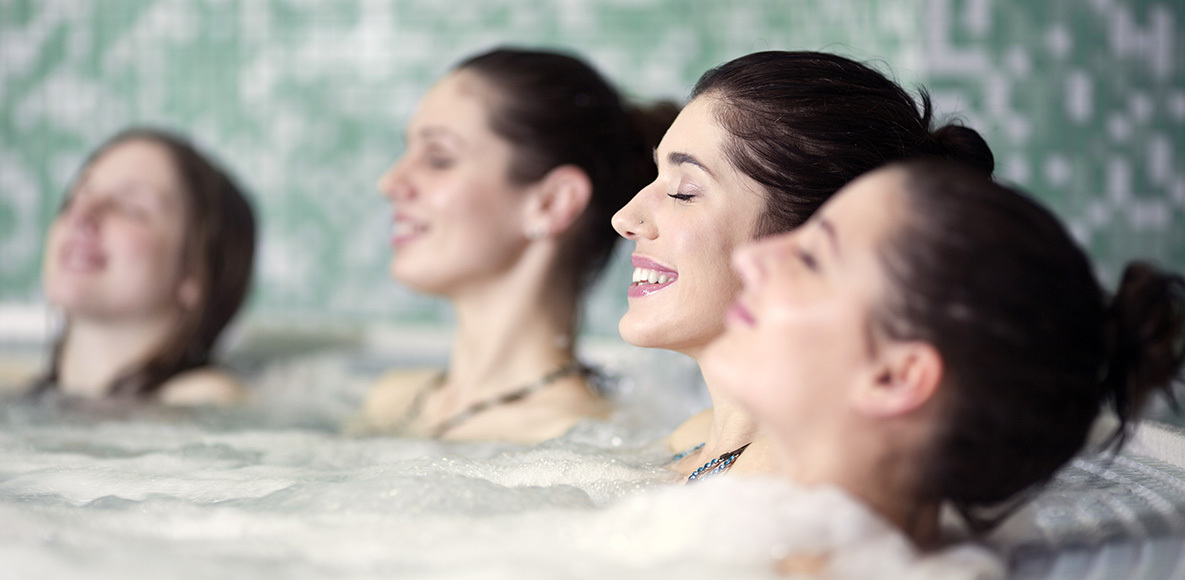
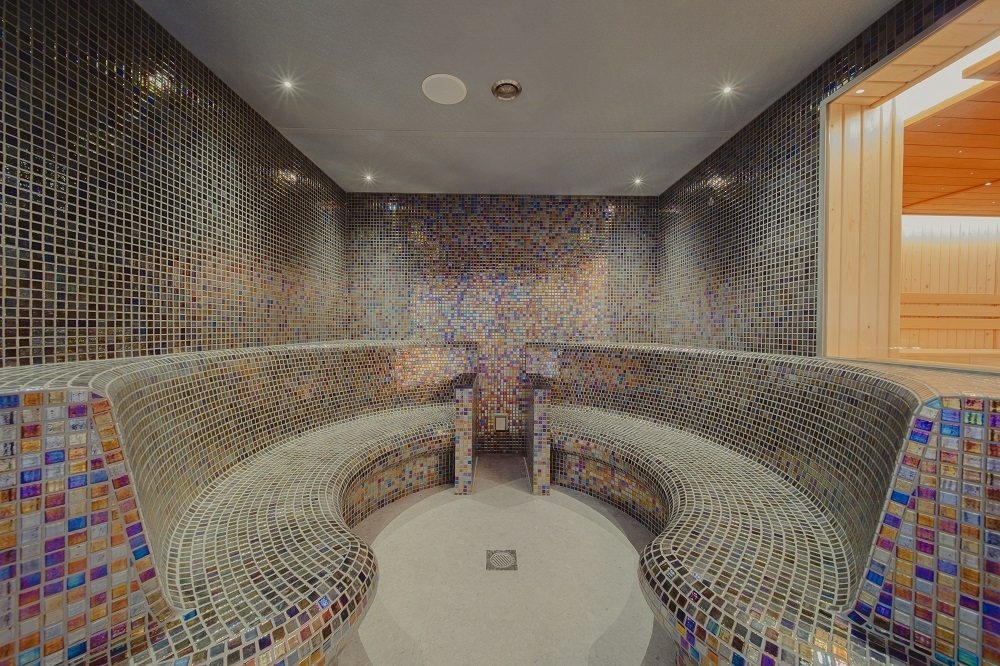
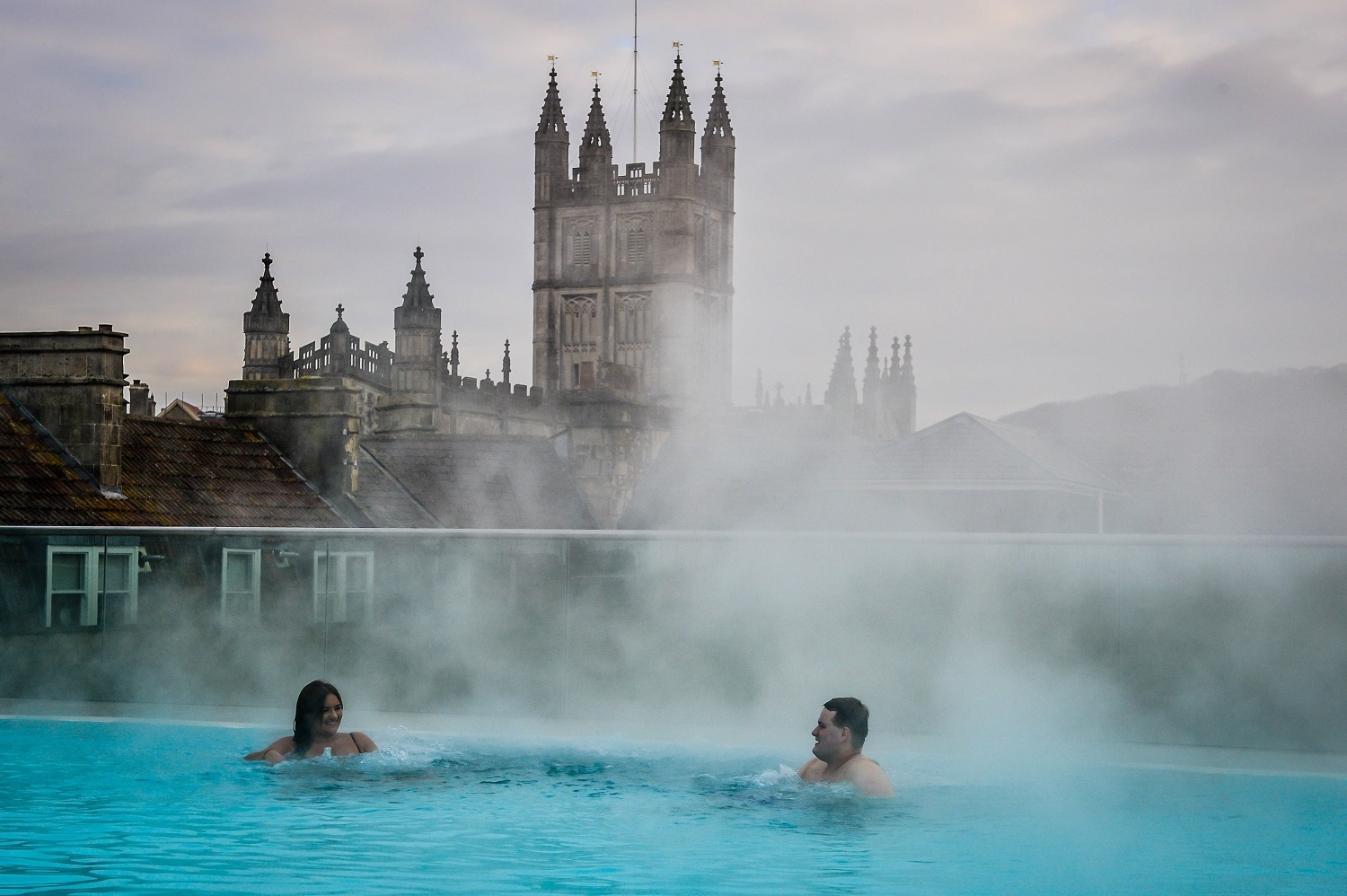
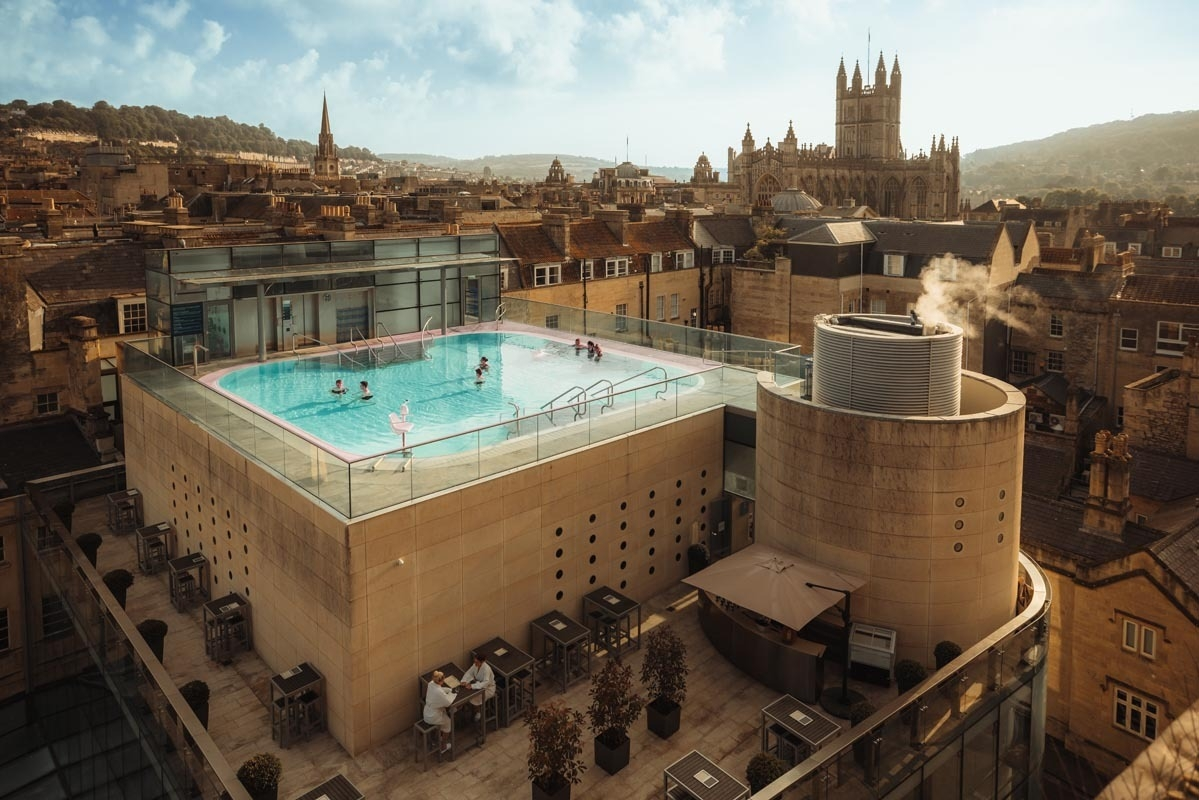
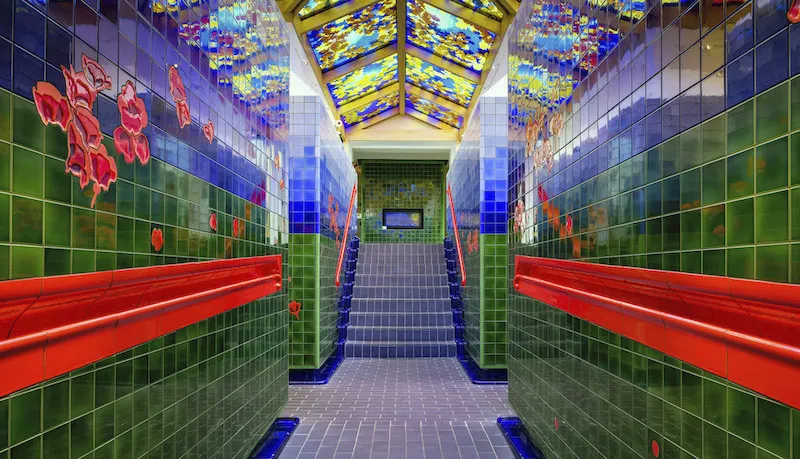
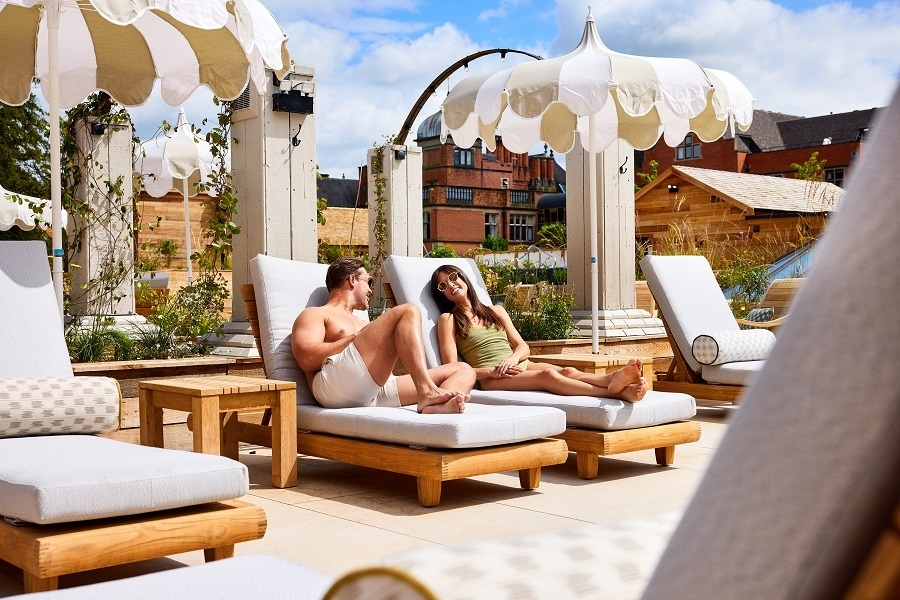
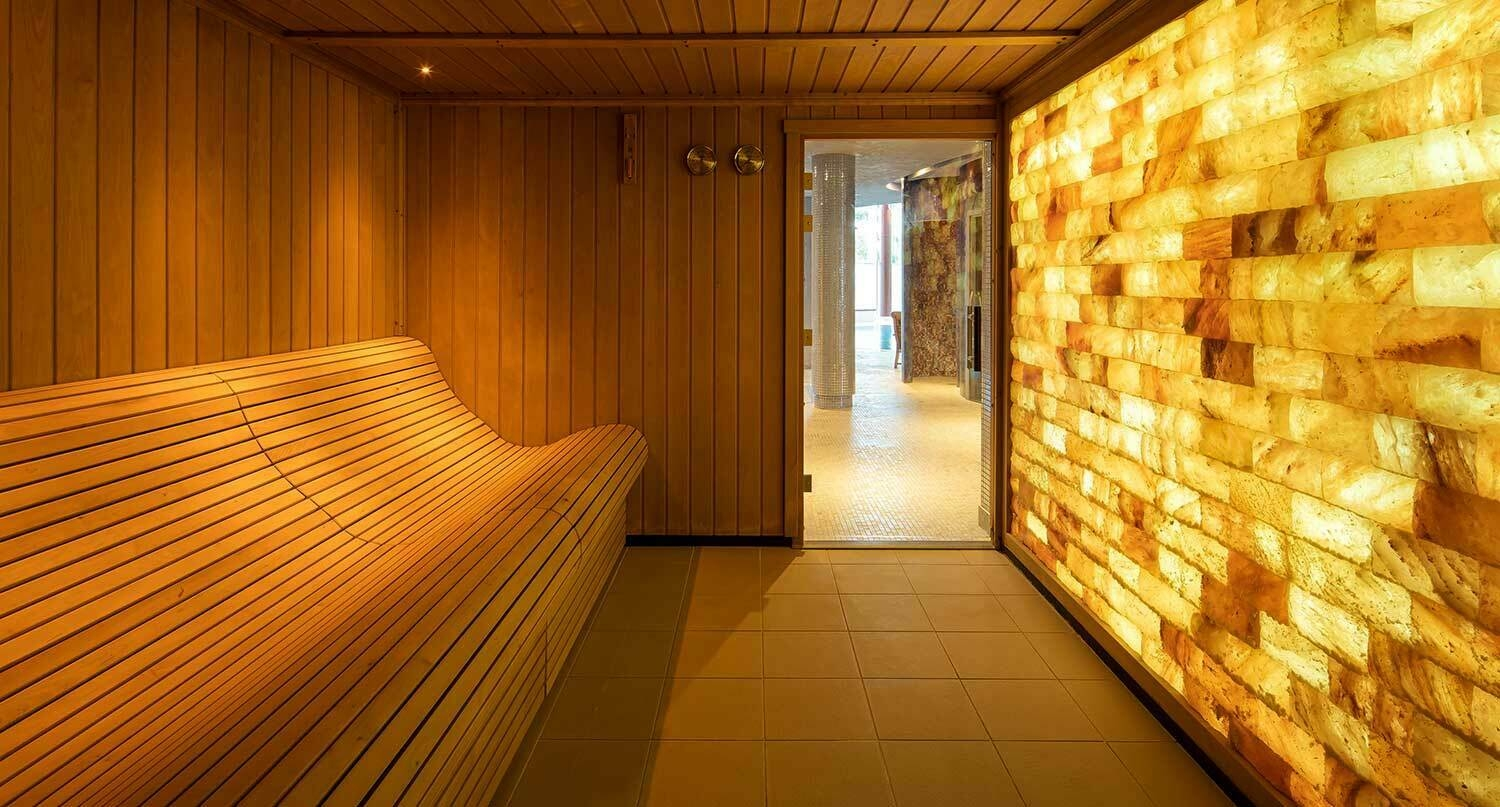
Where to try it: Cairndale Spa (pictured above), Nàdarra Spa at The Coniston Hotel Country Estate, Thermae Bath Spa (as pictured at top of article)
HYPERBARIC OXYGEN CHAMBER

Hyperbaric oxygen therapy is fast becoming one of the most talked-about additions to the modern wellness space. Traditionally used in medical settings to support wound healing and recovery, the treatment involves relaxing in a pressurised chamber while breathing pure oxygen, allowing the body to absorb far higher levels than normal. As interest in recovery, longevity and preventative health grows, spas and wellness clinics are increasingly introducing hyperbaric chambers to their treatment menus.
Research suggests the therapy may support tissue repair, reduce inflammation and improve circulation by delivering oxygen more efficiently to cells. Demand is rising quickly too: the UK hyperbaric oxygen therapy market is forecast to grow by around 43% between 2024 and 2030, according to Grand View Research.
Where to try it: The Coach House Spa at Beaverbrook, The Bvlgari Spa, London (pictured above)
RED LIGHT / LED THERAPY

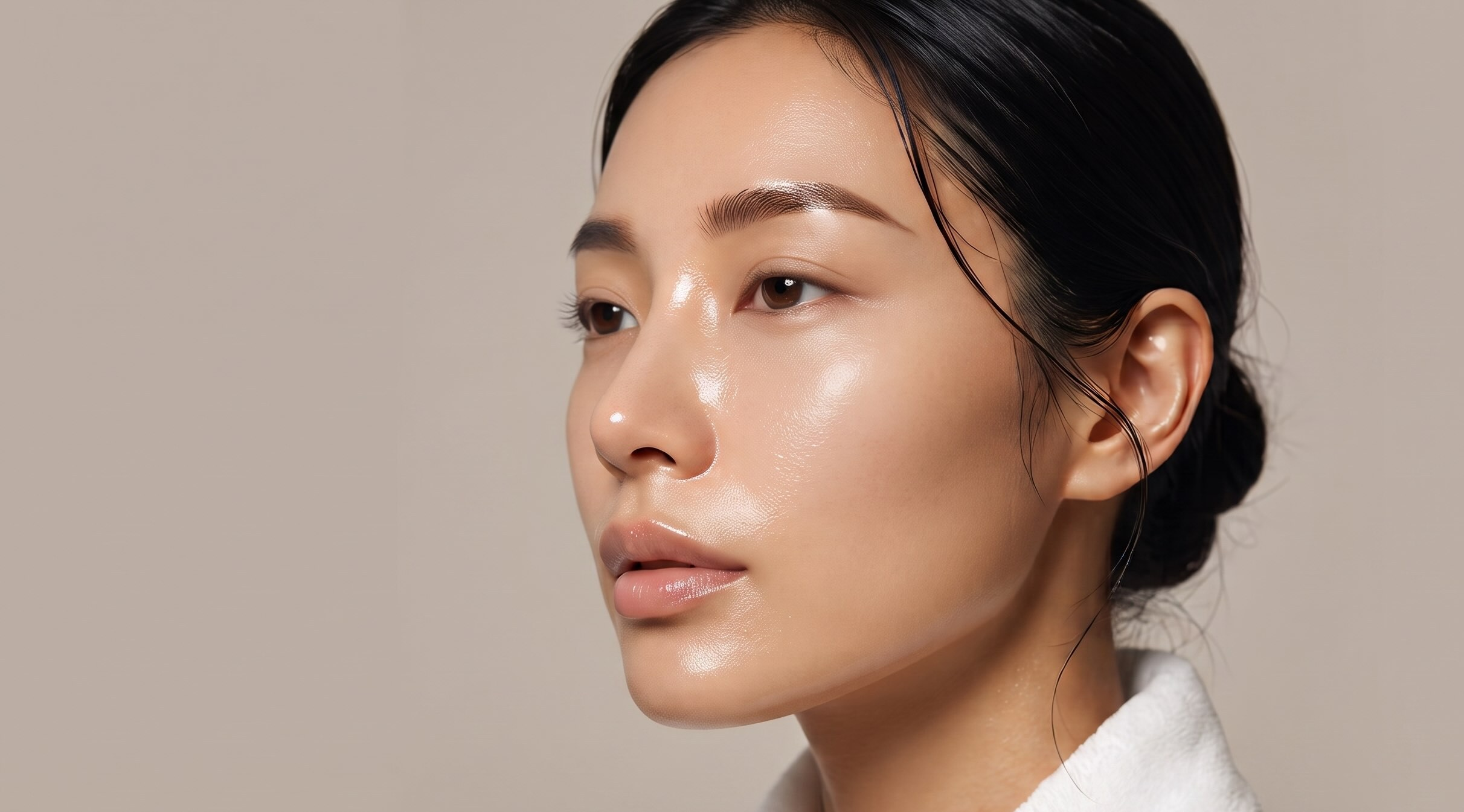
Red light therapy is a non-invasive treatment that uses low-wavelength red light to penetrate the skin and support natural cell activity. Delivered by LED devices - those red-glowing facemasks sported by celebs and influencers on Instagram – a narrow spectrum of light reaches deeper layers of skin without causing damage. The targeted wavelengths can also help kick-start the skin’s natural repair process, encouraging healthier skin.
With regular use, red light therapy can help stimulate collagen production, boost circulation and support cell renewal. The result: skin that looks smoother and brighter with improvements in fine lines, texture and post-blemish marks.
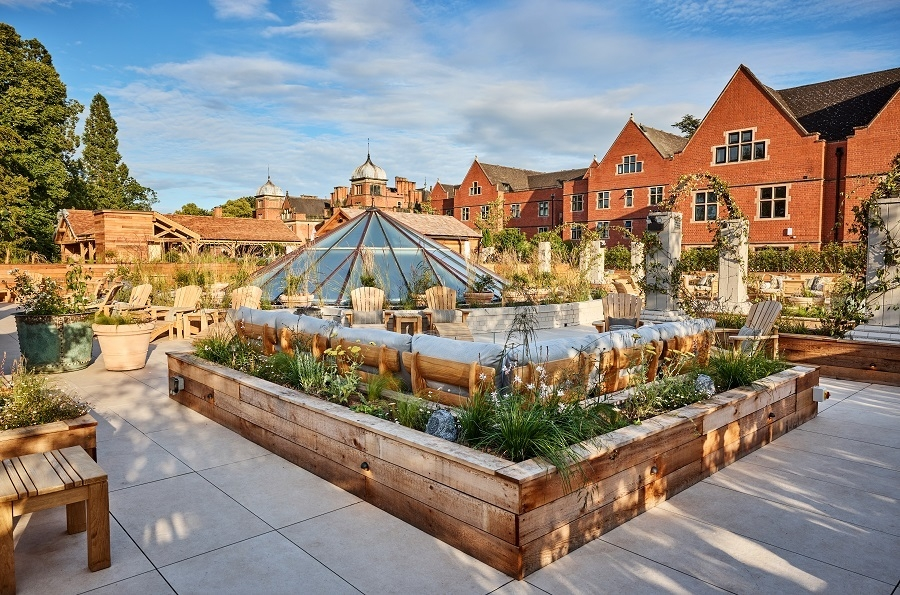
Where to try it: ESPA at Hale Country Club (pictured above), Devona Spa, Field Trip Spa
CRYOTHERAPY

Not for the faint-hearted, cryotherapy is a treatment that exposes the body to extremely cold temperatures - forget your 5ºC ice baths; these sub-zero temperatures can reach up to -140.C (colder than Antarctica) - for approximately three minutes at a time.
Time in a cryotherapy chamber is said to help reduce inflammation, boost the immune system, improve skin condition and aid weight loss. It’s also a great mood booster. The rush of adrenaline (from freezing your bits off) releases endorphins leaving you feeling energised and buzzing. One study found cryotherapy could even help with depression and anxiety.
Where to try it: Three Graces Spa at Grantley Hall (pictured above), The Sanctuary at Saltmore
COLD-WATER IMMERSION

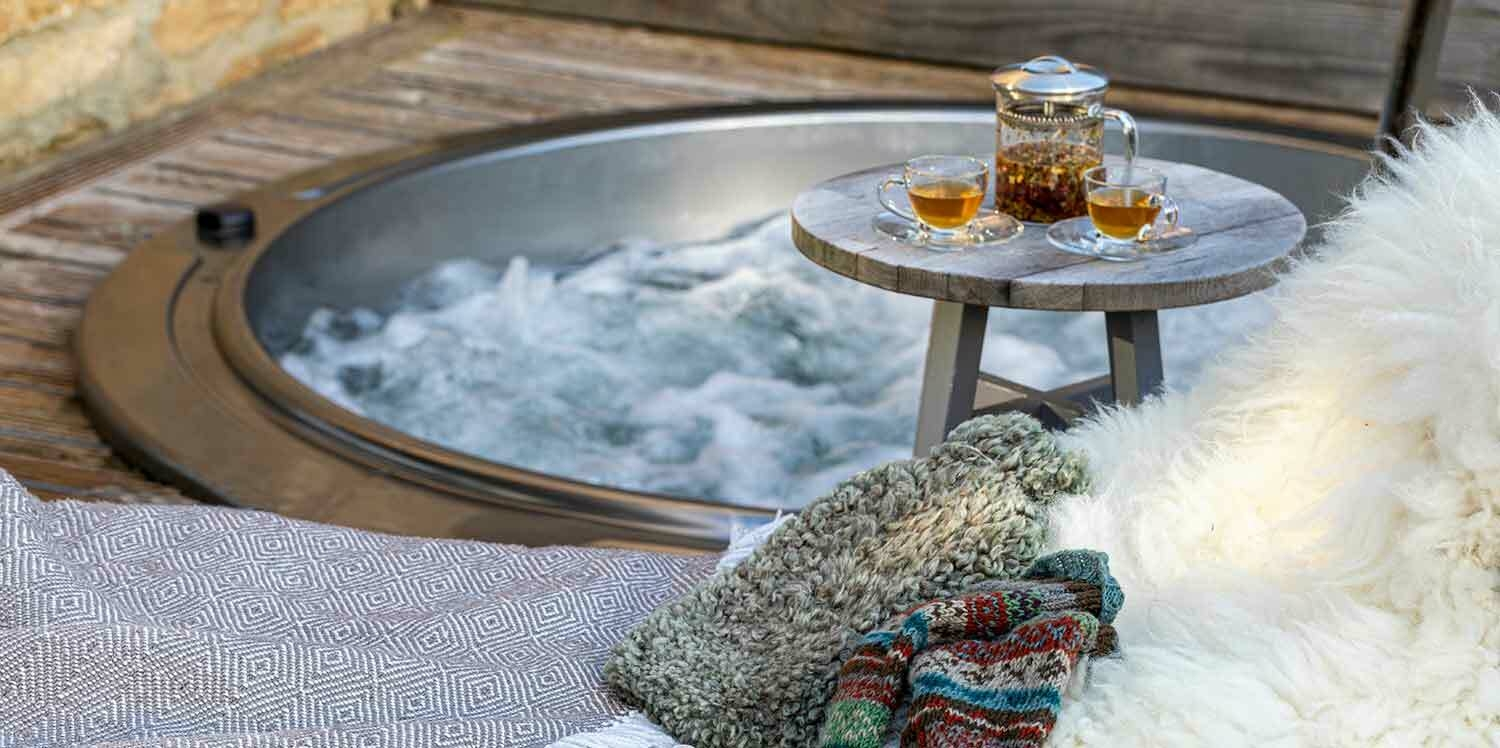
Cold-water immersion (along with contrast therapy) remains a firm biohacking tool in 2026. Cold water offers a potent mix of calm, exhilaration and stress relief; physical benefits include reduced inflammation and boosted immunity, as well as possible protection against degenerative diseases like dementia.
Lots of spas are embracing the movement, with a range of cold plunge pools – from barrels to Brass Monkey ice baths - and wild swimming ponds, to scratch that cold-water itch.
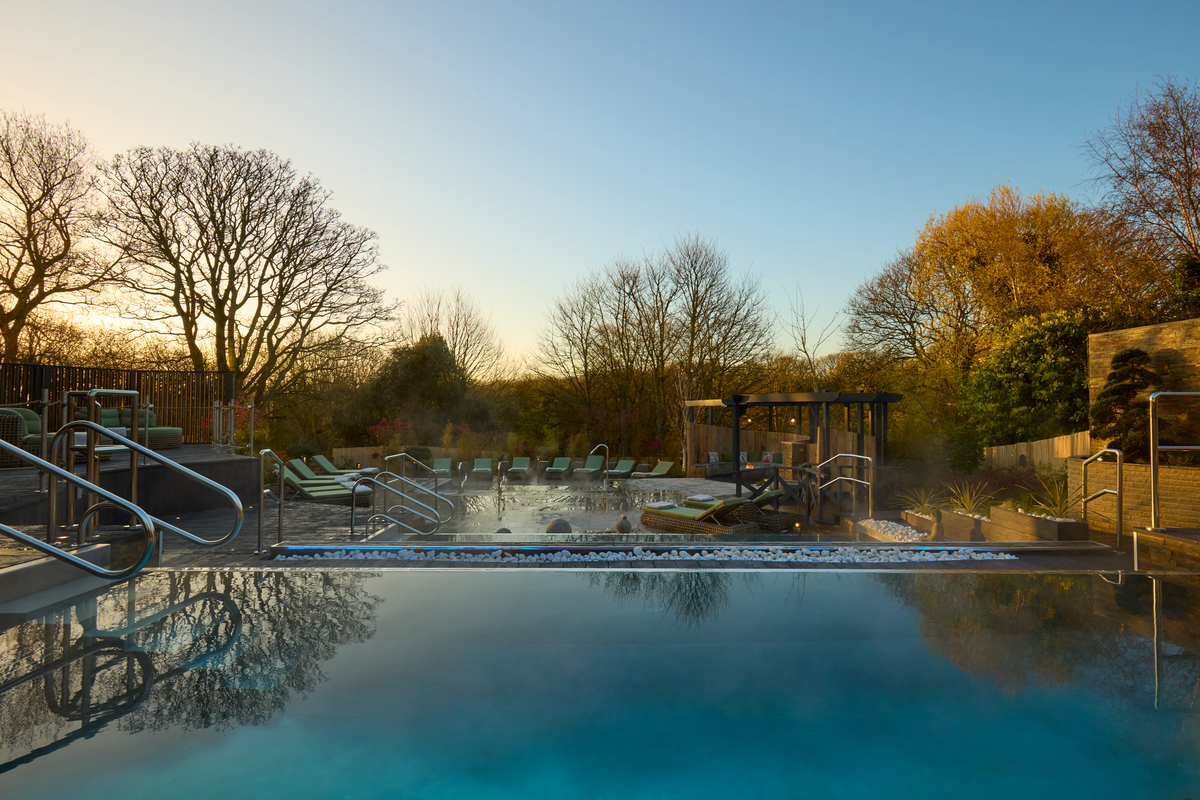
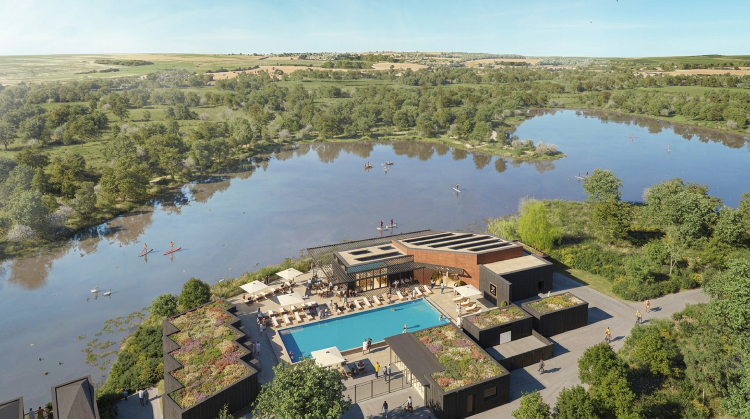
Where to try it: The Spa at Pennyhill Park, Hoar Cross Hall (pictured above), Serenity Spa at Seaham Hall, The Spa at Green Farm and Swinton Country Club and Spa
VIBRO-ACOUSTIC & NEURO-ACOUSTIC THERAPY

Vibroacoustic therapy uses low-frequency sound waves that gently vibrate through the body, encouraging deep physical relaxation; neuroacoustic therapy focuses on carefully engineered sound frequencies to calm the mind. Together, they tap into the growing interest in technology-enhanced meditation and mindfulness.
Spas are increasingly weaving these, often touchless, sound-led therapies into immersive experiences, pairing binaural beats with flotation or dedicated pods like Somadomes. The combination of sound, vibration, coloured light and sensory cocooning can quiet mental chatter, ease stress and guide the body into a deeply restorative state. Coworth Park’s new Satori Wellness Loungers claim a 30-minute session is the equivalent of two hours’ restorative sleep. Sign us up.
Where to try it:
The Spa at Coworth Park (pictured above), Serenity Spa at Seaham Hall, New Park Manor Hotel & Spa
BIOMARKERS, HEALTH ASSESSMENTS AND PERSONALISED PLANS

A growing number of tech-forward spas are offering rapid health diagnostics, allowing treatments to be personalised to the individual, rather than selected from a traditional spa menu.
At Six Senses London, guests can take a three-minute Integrated Wellness Assessment using hospital-grade technology that analyses around 40 biomarkers, comparing the results against a large dataset. The non-invasive scan measures indicators linked to stress, recovery, circulation, oxygen levels, metabolic function, body composition, musculoskeletal balance, sleep and recovery patterns. Wellness experts then interpret the results to create a personalised programme, which might include targeted therapies from the spa’s biohacking suite - helping guests improve energy levels, sleep and overall wellbeing.
Where to try it: Six Senses London

Scarlet Spy
10th March 2026
Spy Likes:
Nature-inspired spas, cold water plunges, sound baths, deep tissue massage, delicious food.
Spy Dislikes:
Thin walls in treatment rooms, lounger hoggers, soggy robes, bright lights.
Hotel Spa
Pool
8 treatment rooms
0 offers available