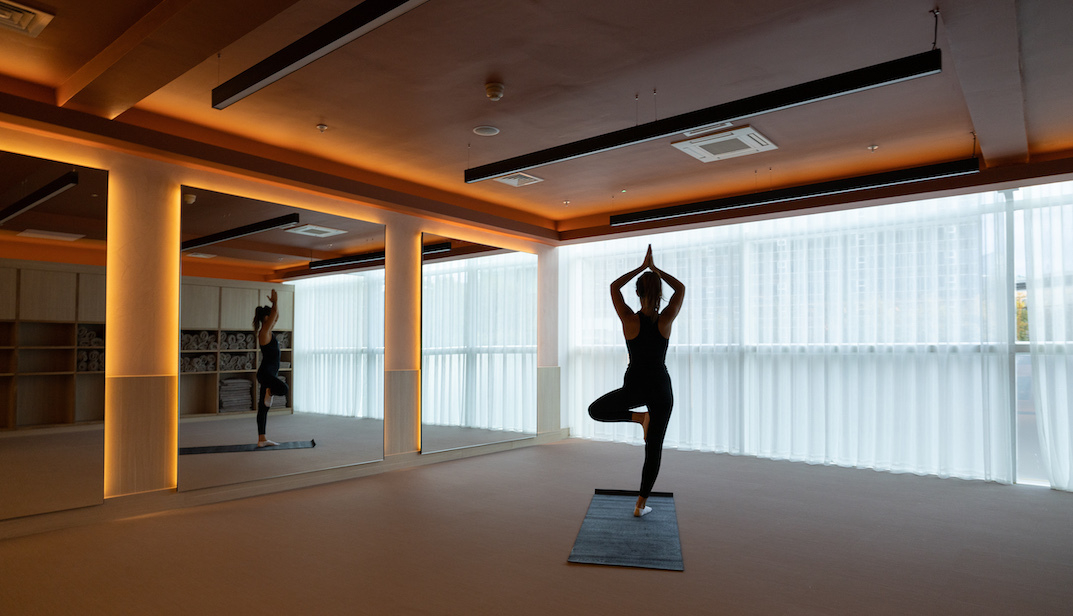
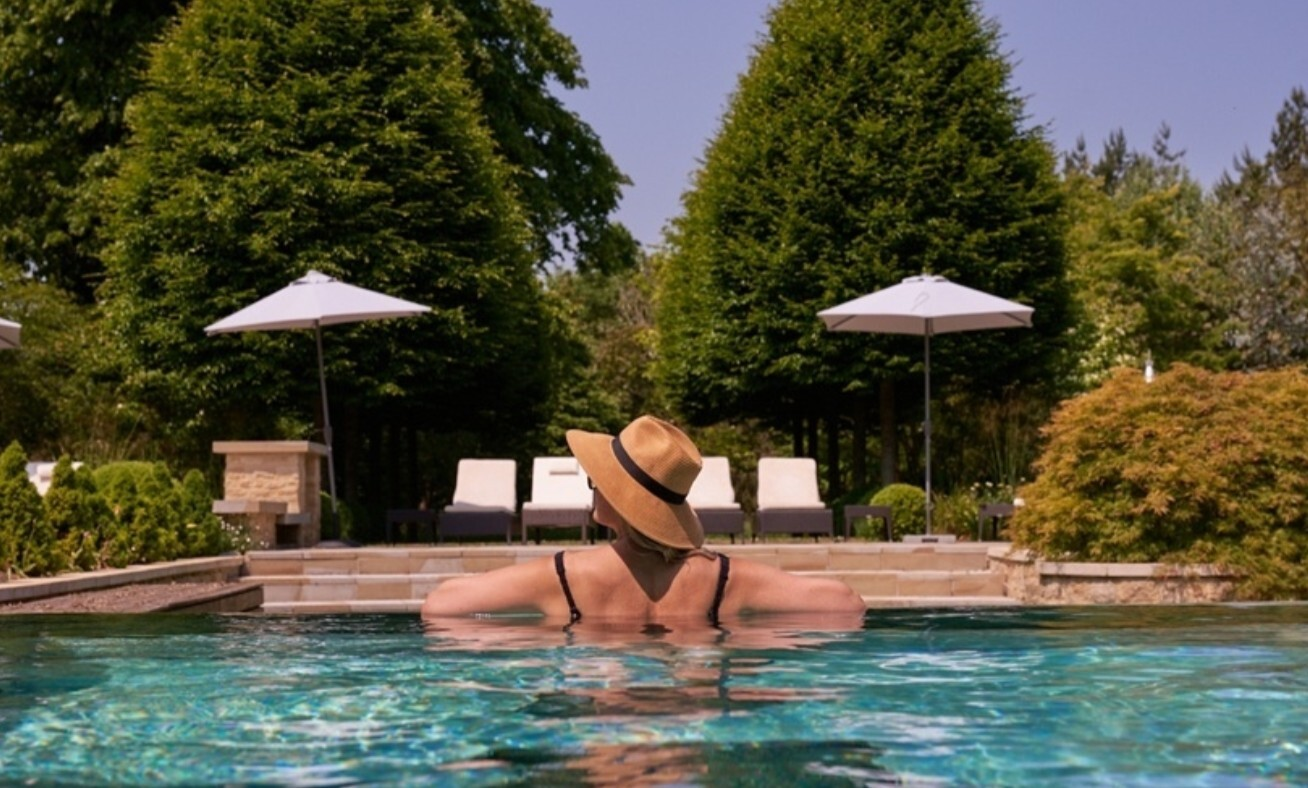
It’s estimated that one in seven people - more than 15% of the UK population - are neurodivergent, and they often experience spas differently from neurotypical folk.
There’s no one-size-fits-all when it comes to neurodivergent needs but there may be commonalities when it comes to spa-ing. For example, people with ADHD may seek out dopamine-boosting spas with lots of facilities to explore; autistic spa-goers may be sensory-avoidant, preferring a more serene, low-sensory environment. It really is all down to the individual.
So, what can make a spa neurodivergent-friendly? Scarlet Spy shares her thoughts…
Dopamine-seeking spas

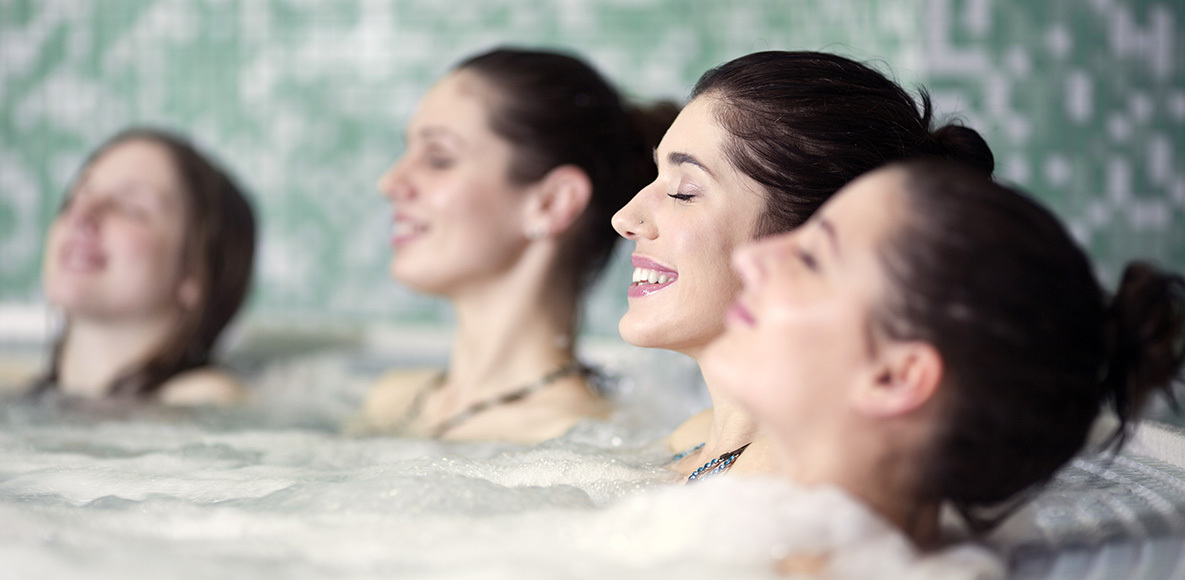
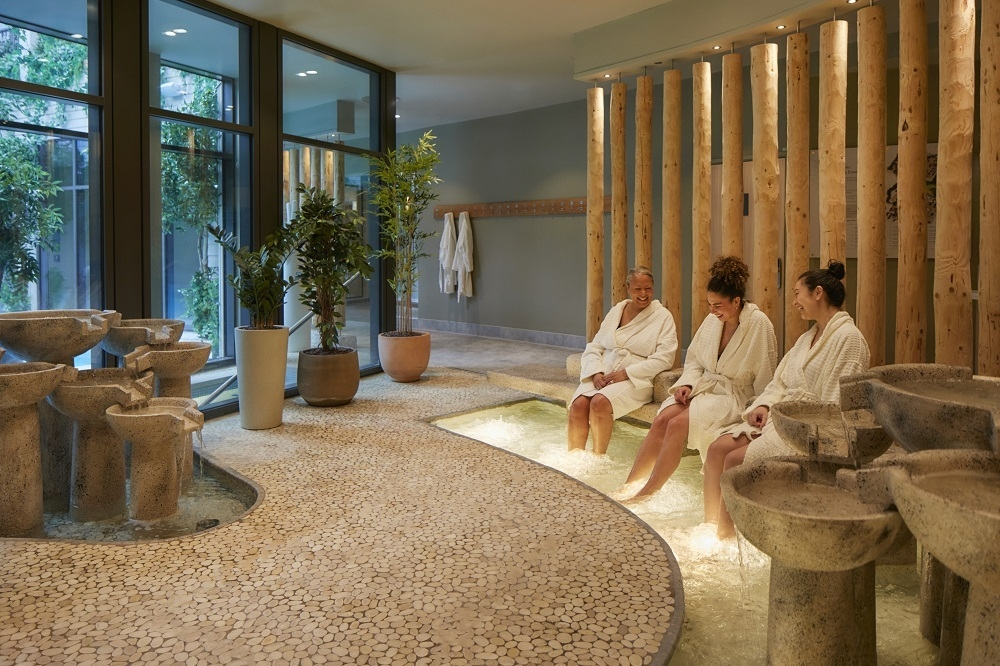
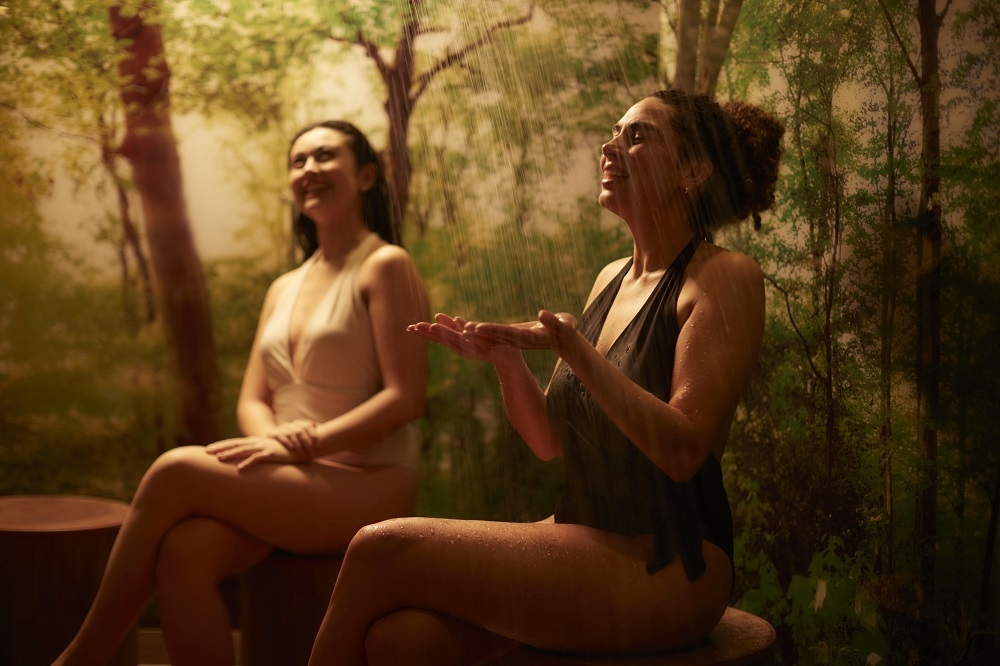
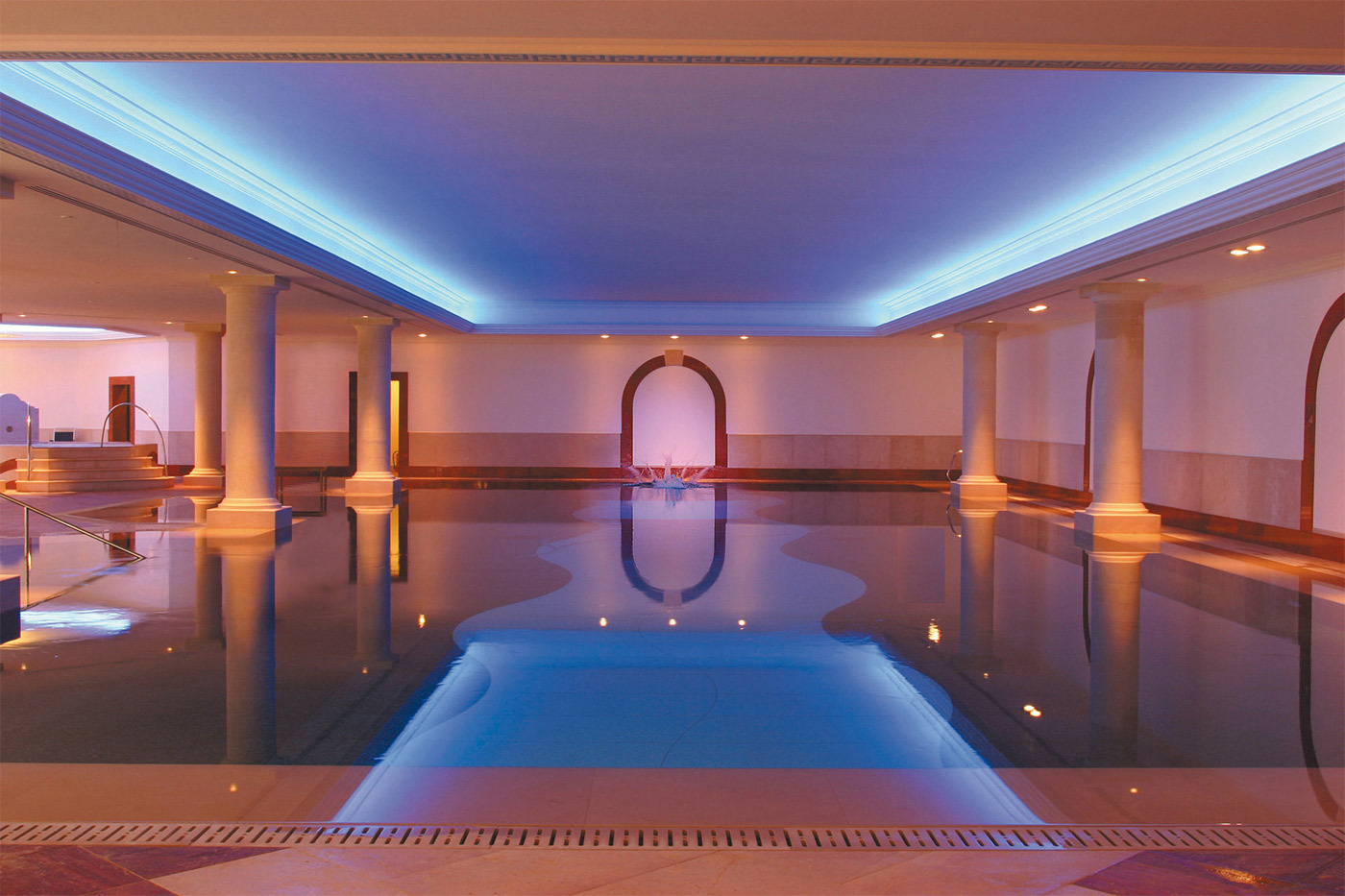
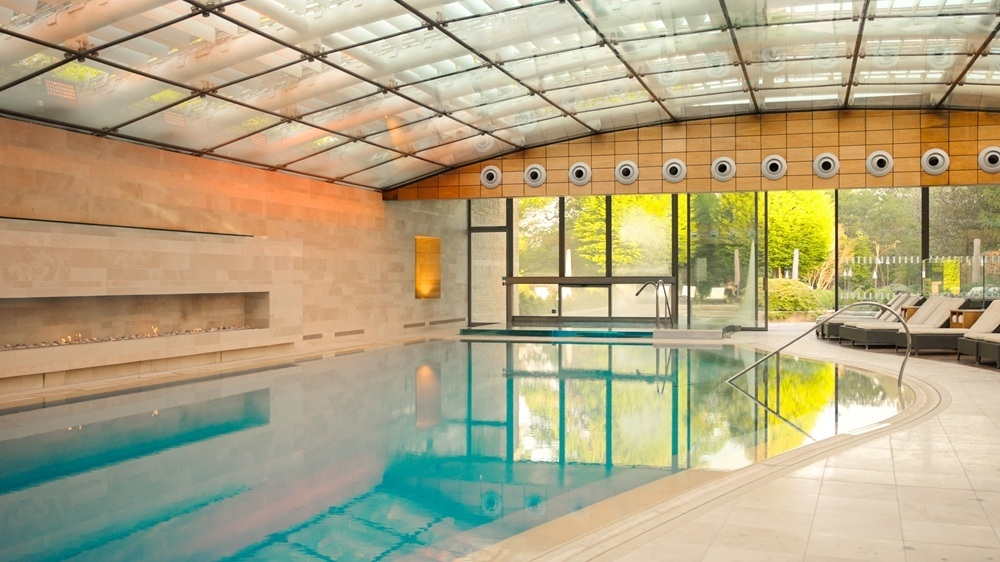
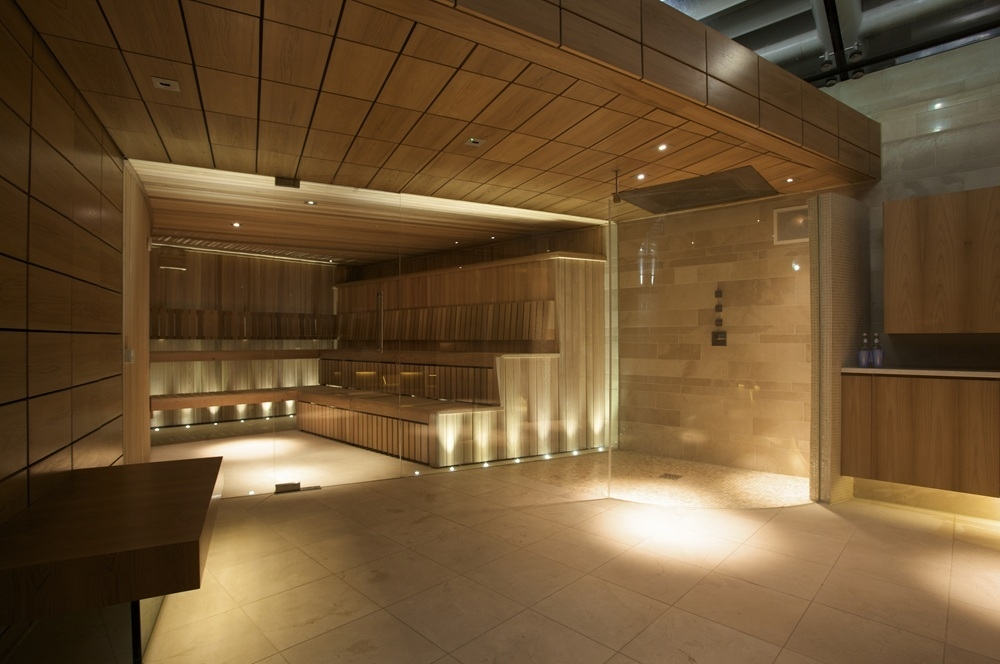
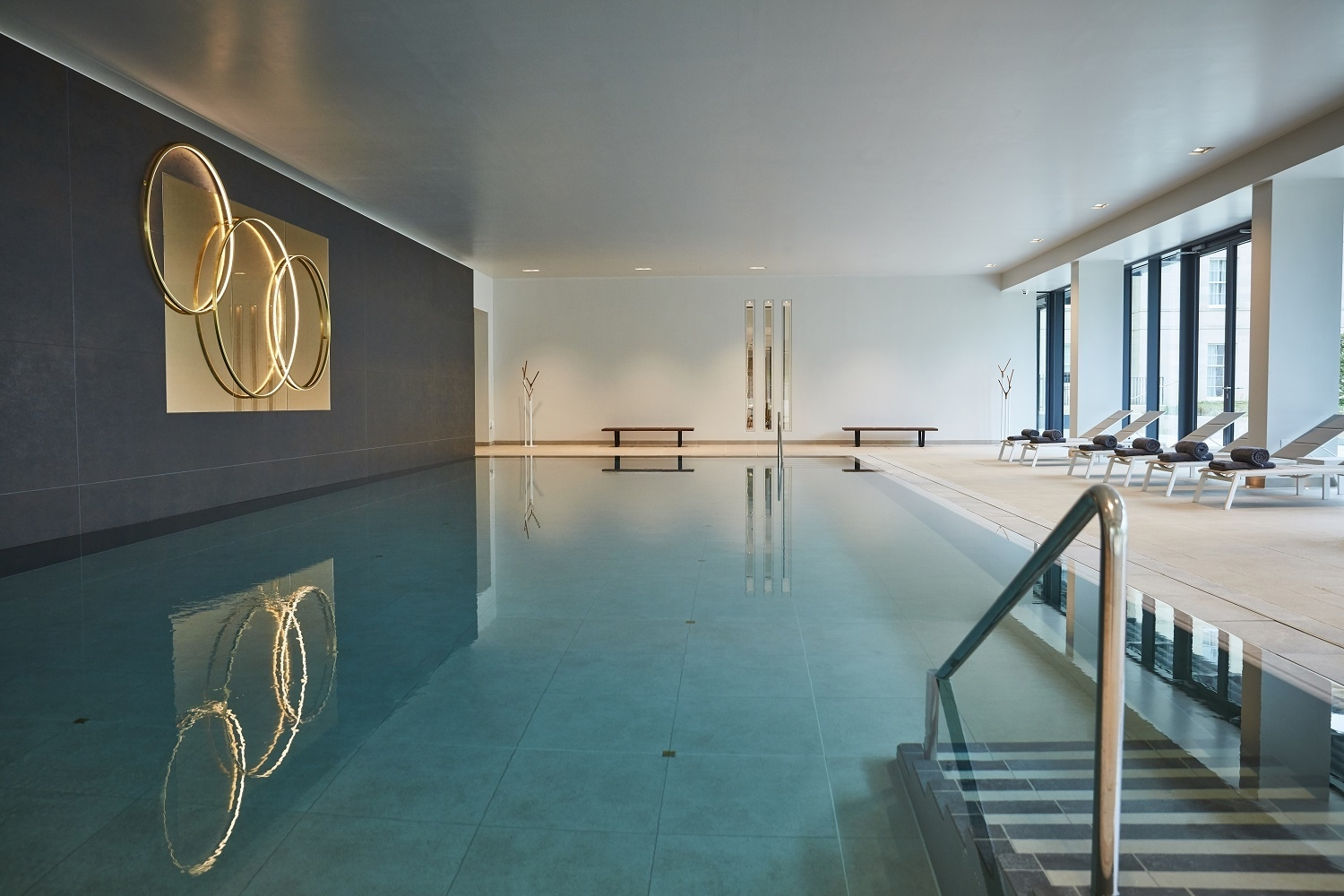
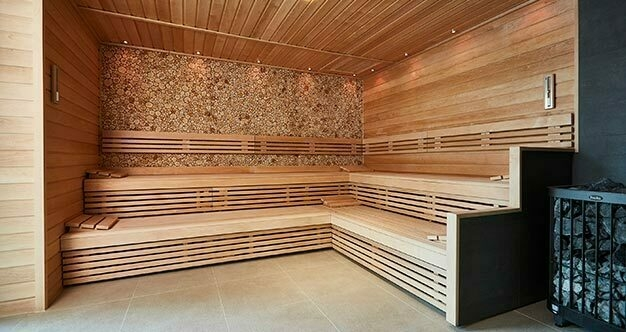
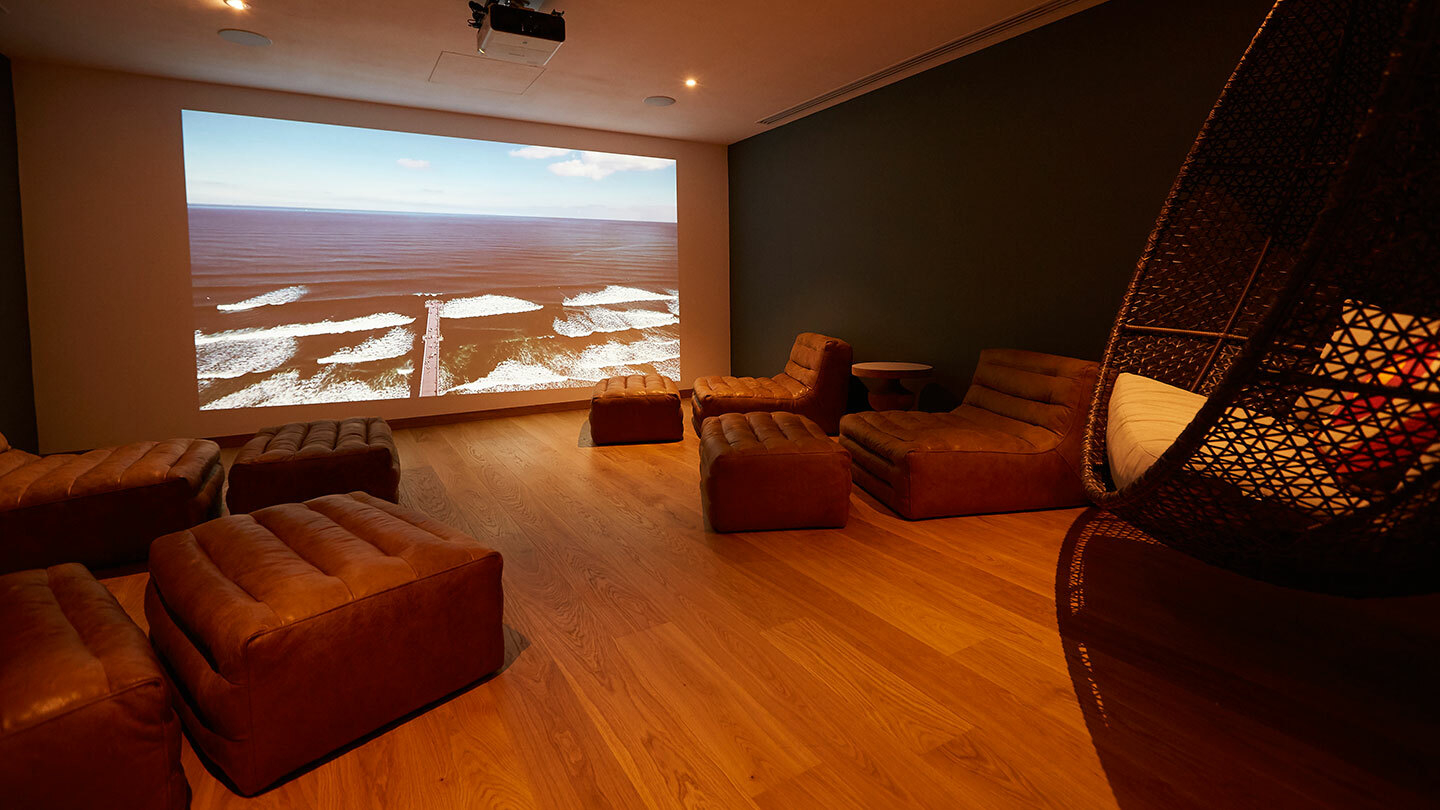
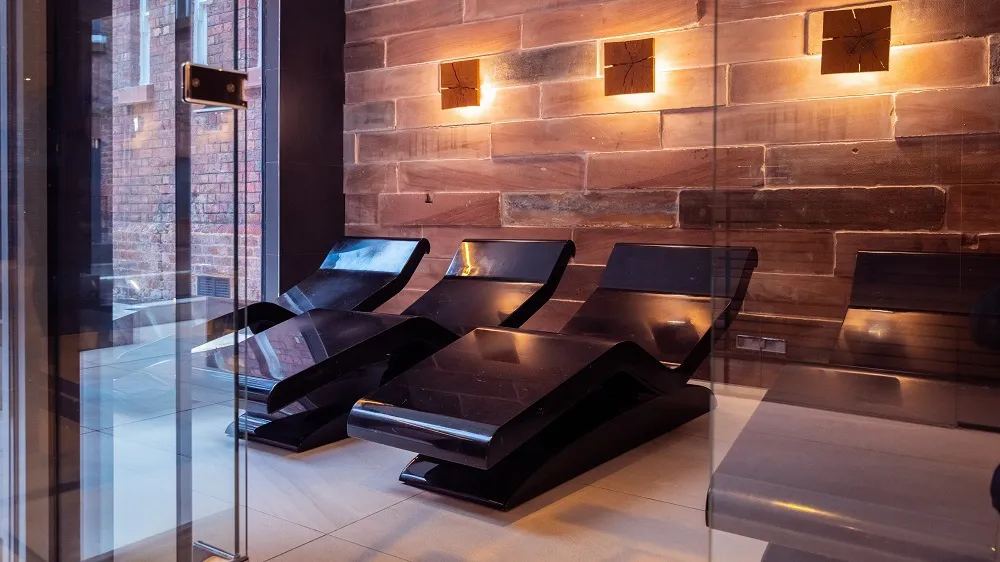
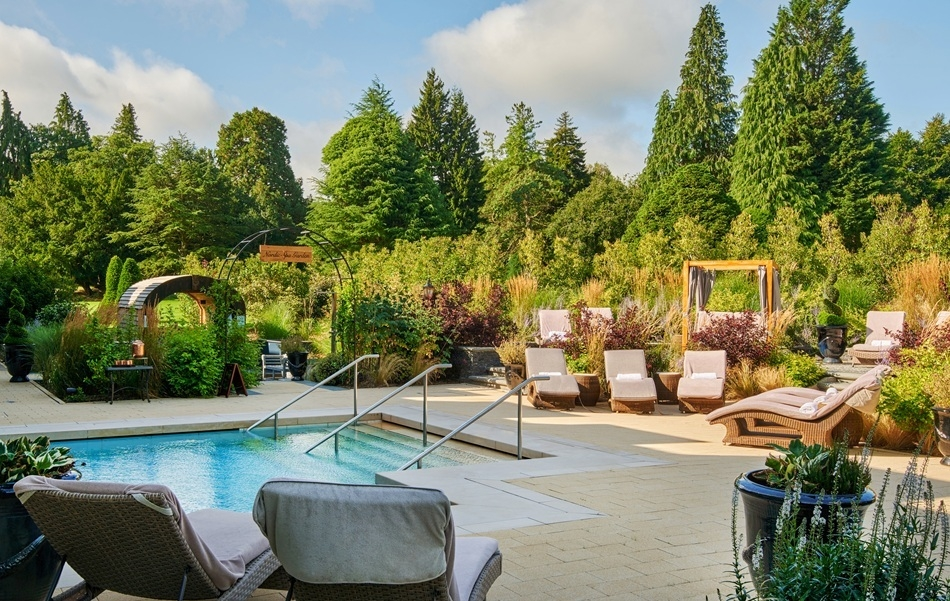
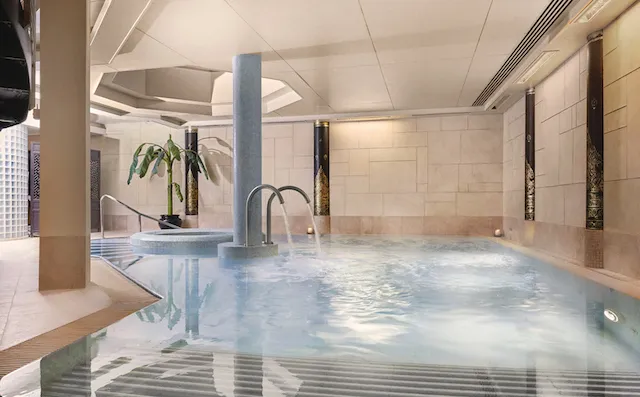
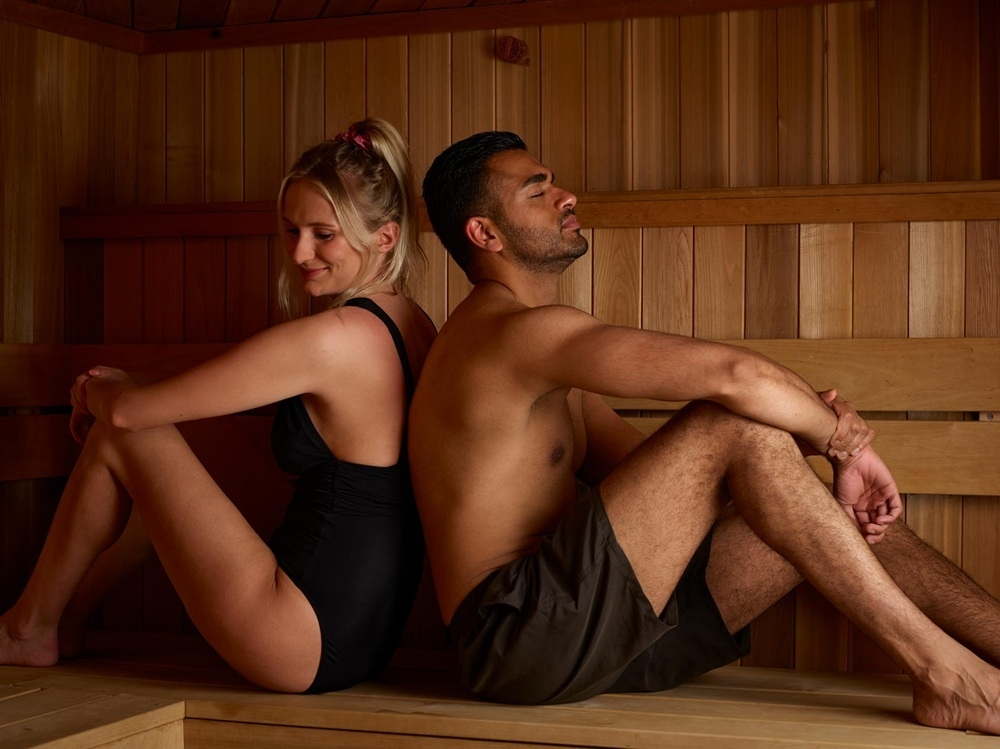
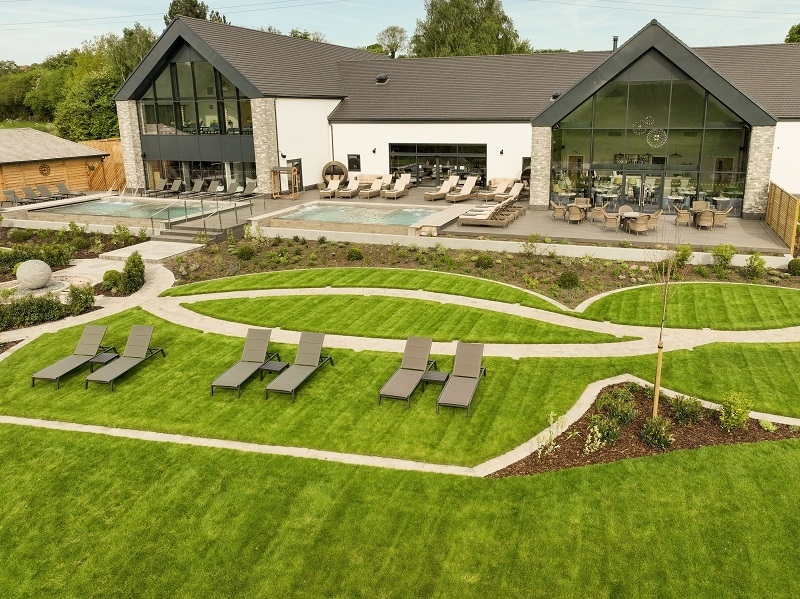
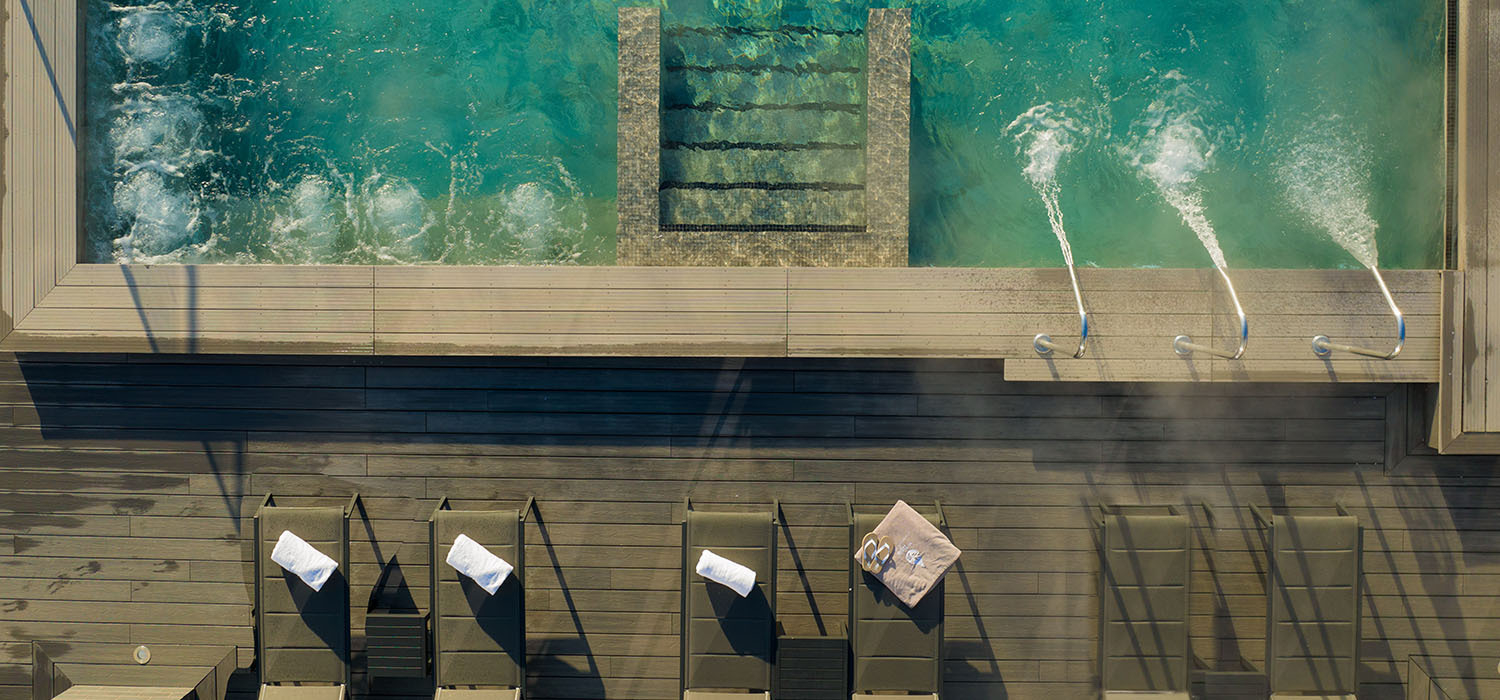
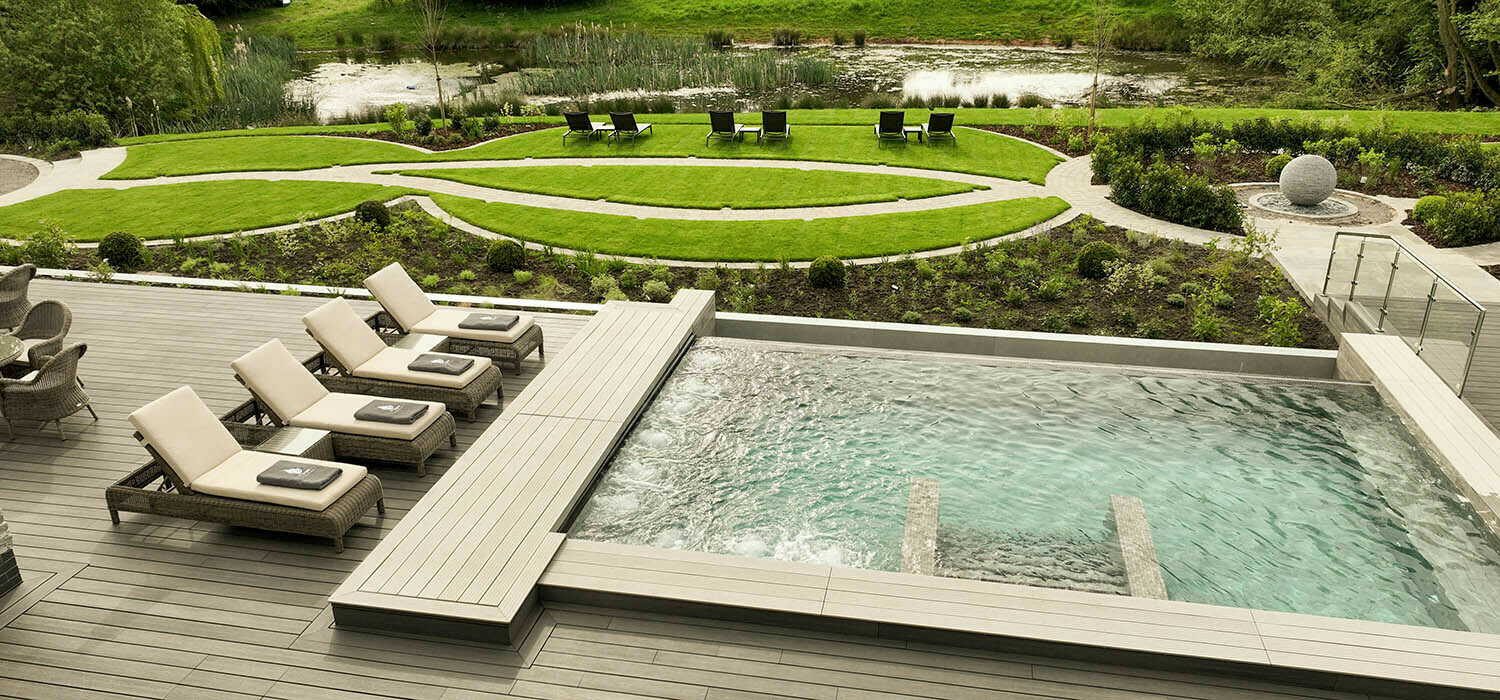
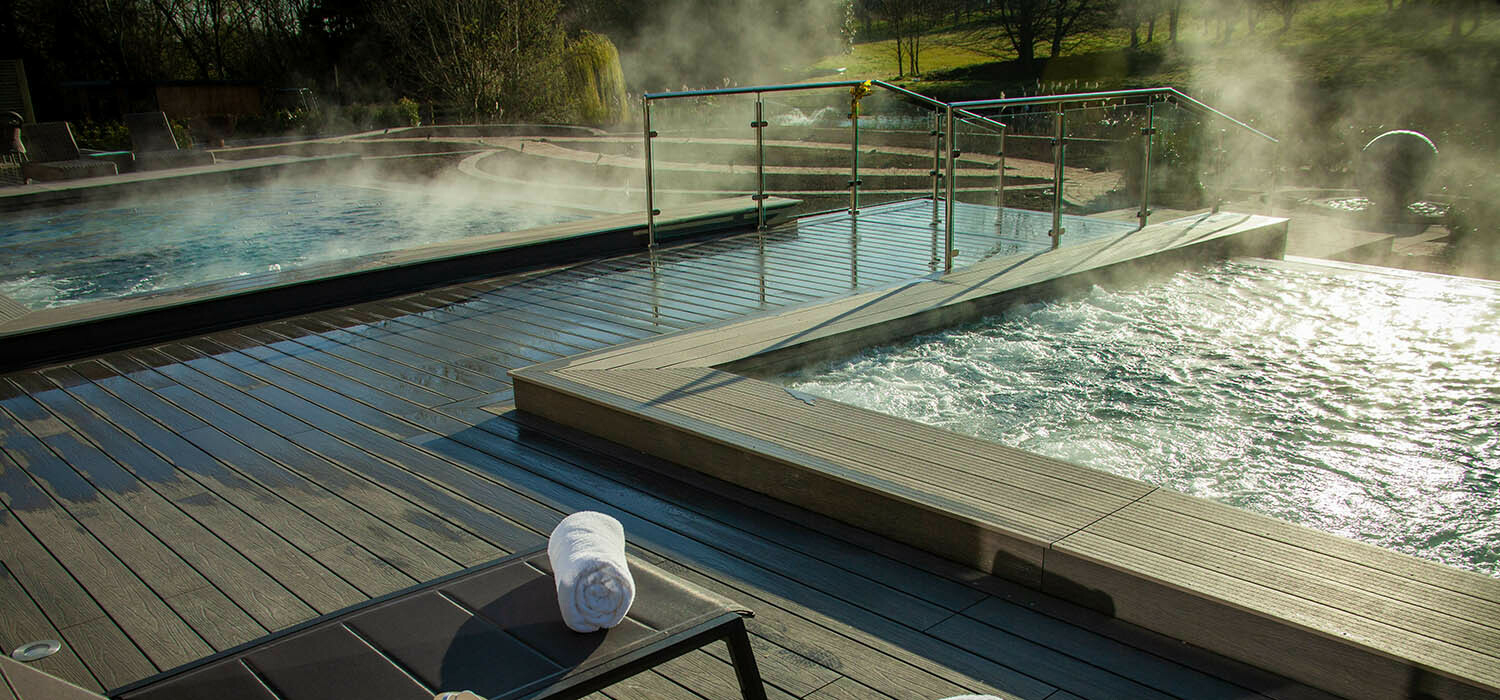
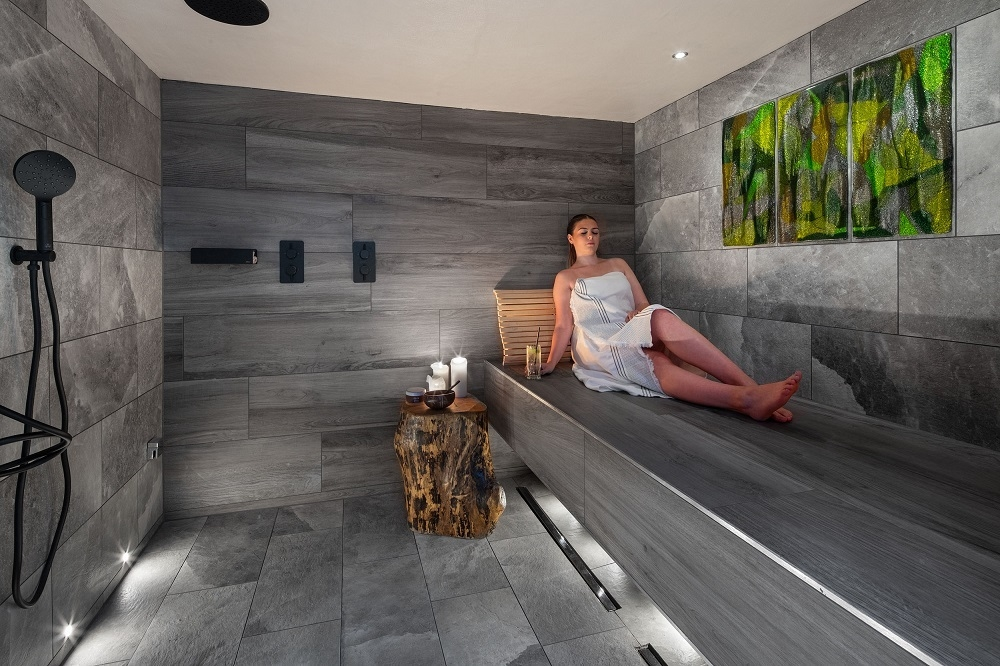
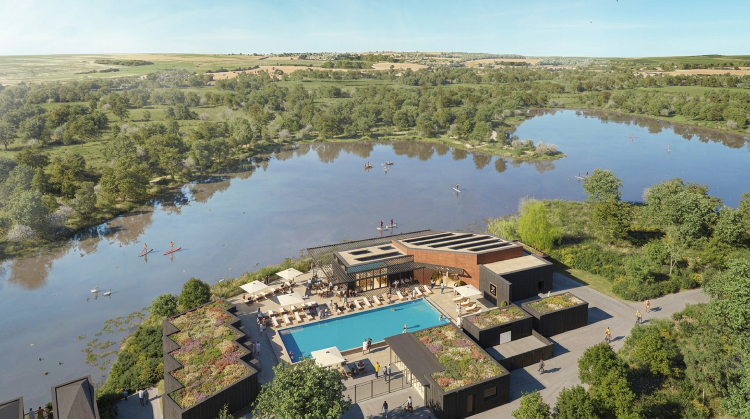
Not all spa-goers want to spend the day horizontal. All-singing, all-dancing spas with extensive thermal facilities are a winner for dopamine seekers. Give them 24 individual experiences, over two-floors - like one of the six Aqua Sana Forest Spas (pictured above), Pennyhill Park and Rudding Park Spa - and they will be in their element. Think: colour-changing lights, underwater music, deliciously hot saunas (aufguss ritual, anyone?) followed by an adrenaline-boosting cold plunge dunk.
Spa treatments need to be interesting too. Lucknam Park offers inventive treatments such as the 111Cryo De-Puffing Facial, which uses a cryotherapy machine to blast purified air at -15ºC to massage the face and increase oxygen flow to the skin.
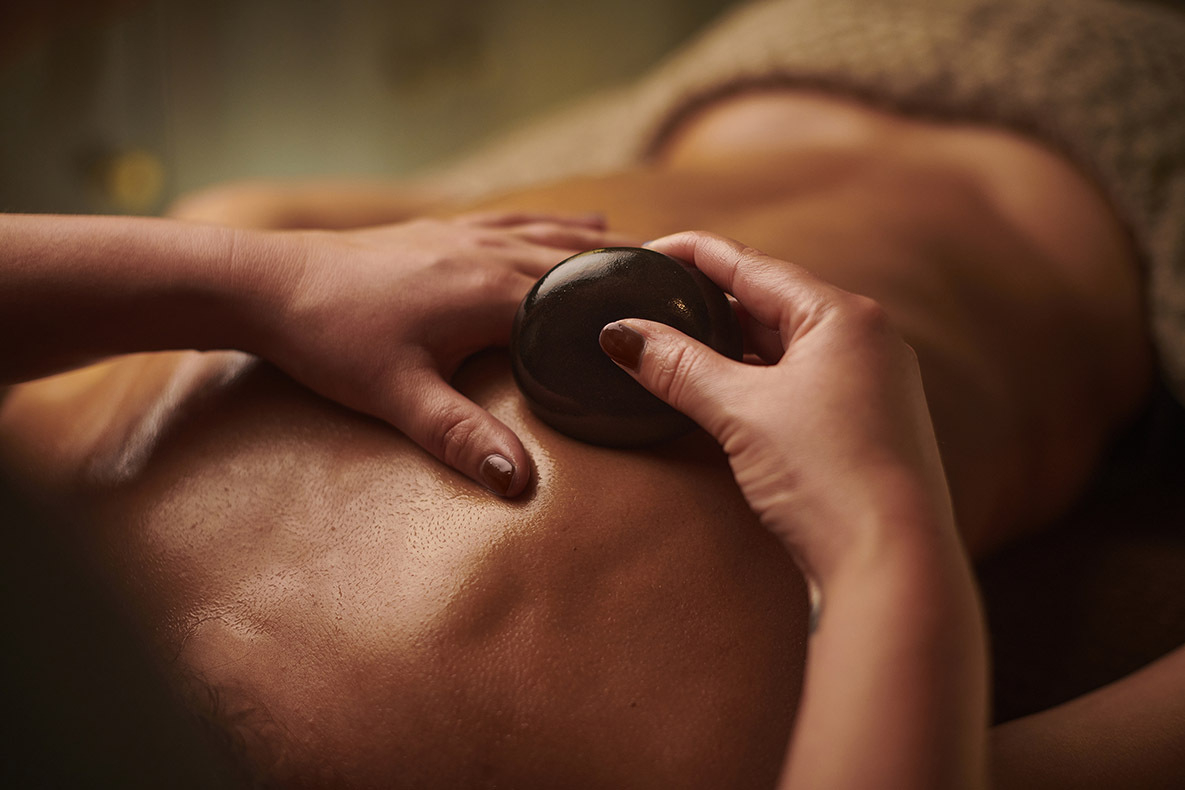
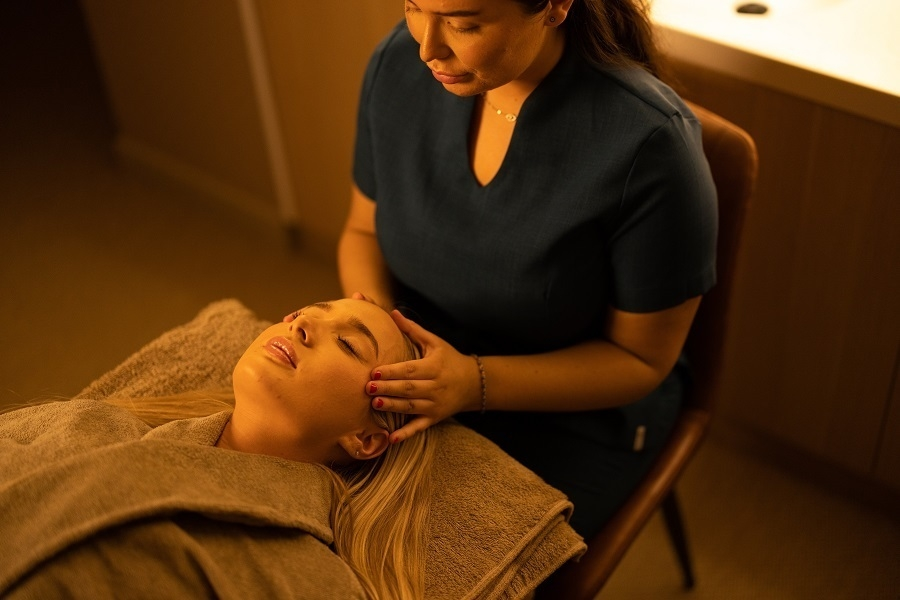
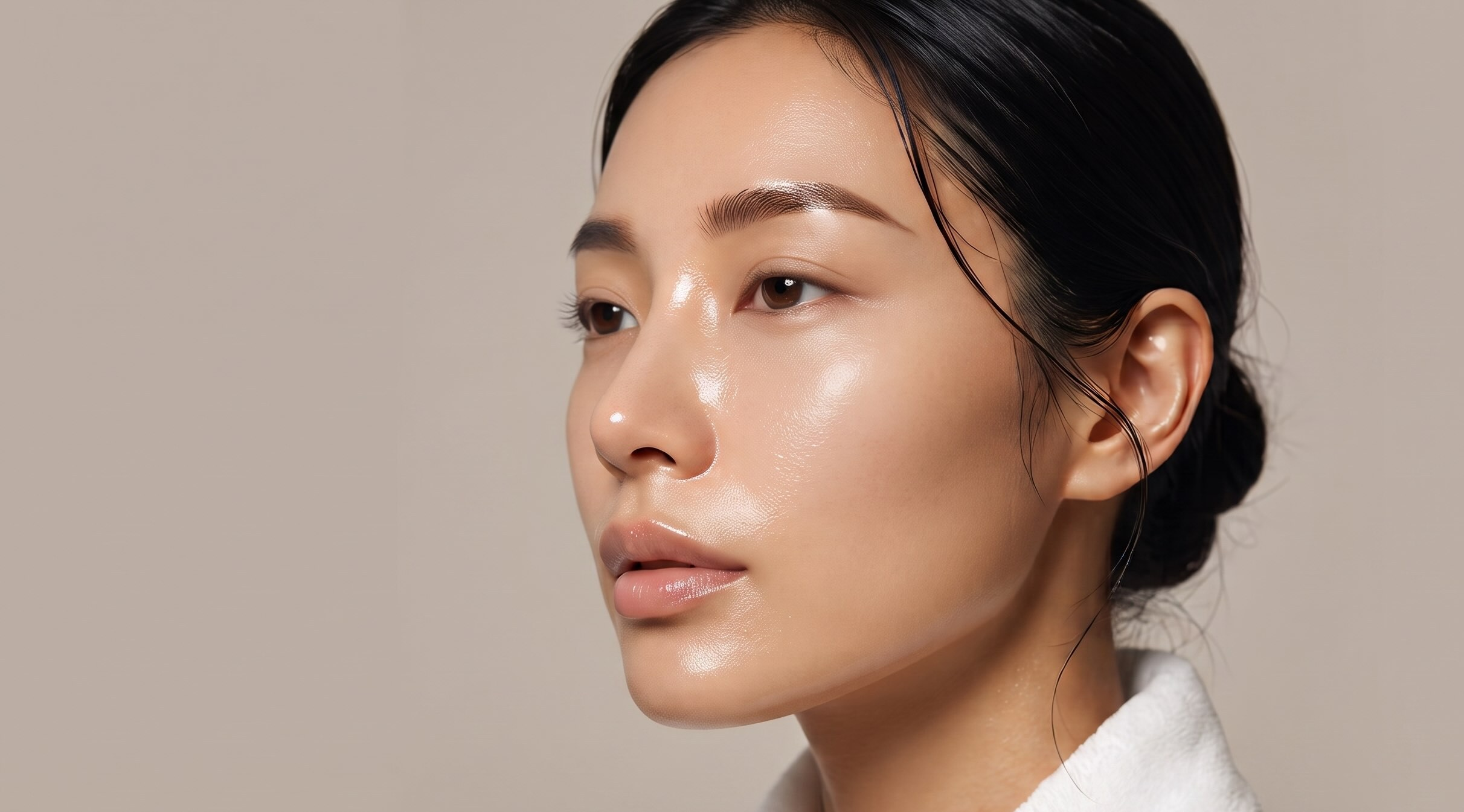
Trending treatments, like the Korean or Japanese Head Spa, offer both novelty and an eye-rolling-ly good scalp massage. Or the new Brush with Heaven treatment at Hope Street - a top-to-toe ritual carried out entirely with, you guessed it, brushes – is sure to hit the proverbial spot.
Staff trained in Sensory awareness

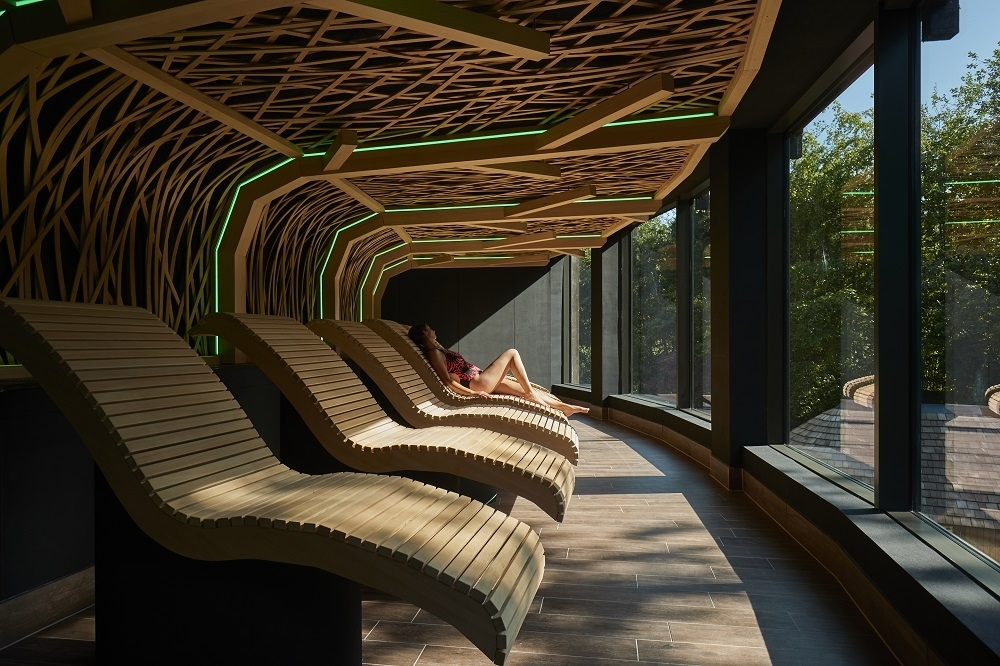
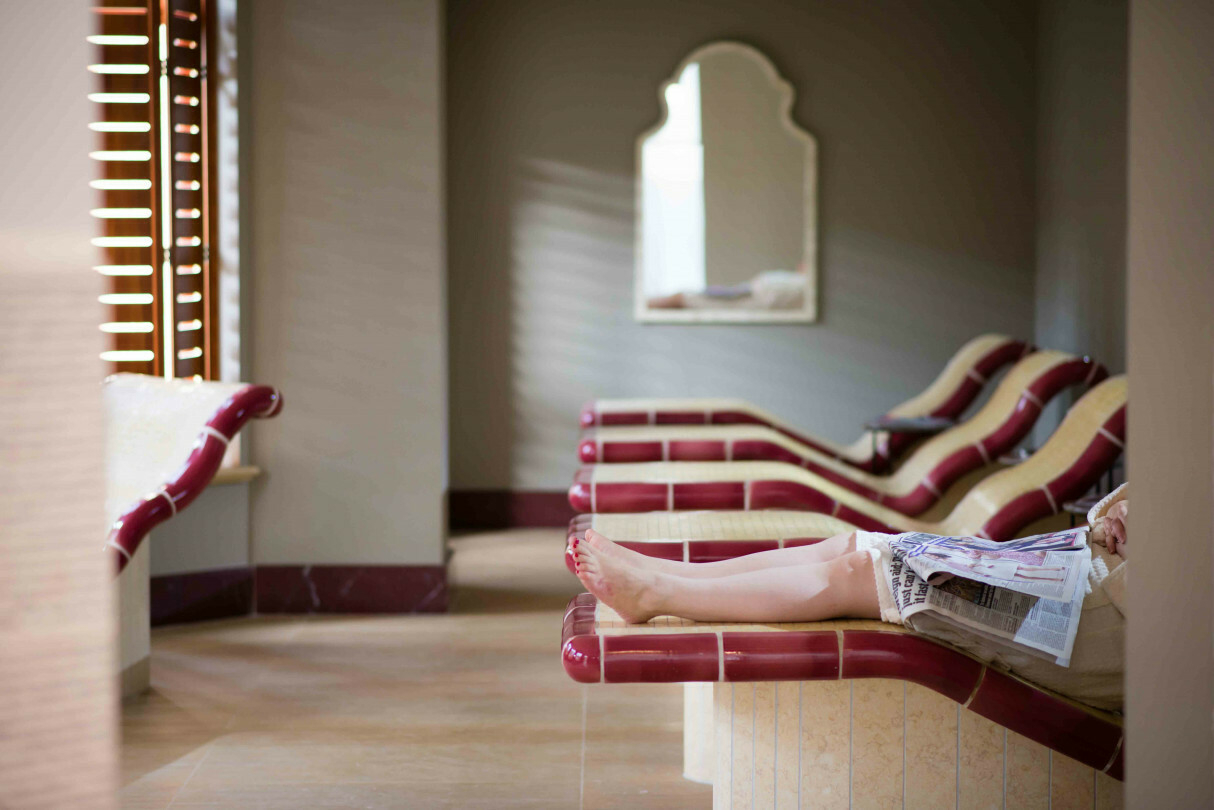
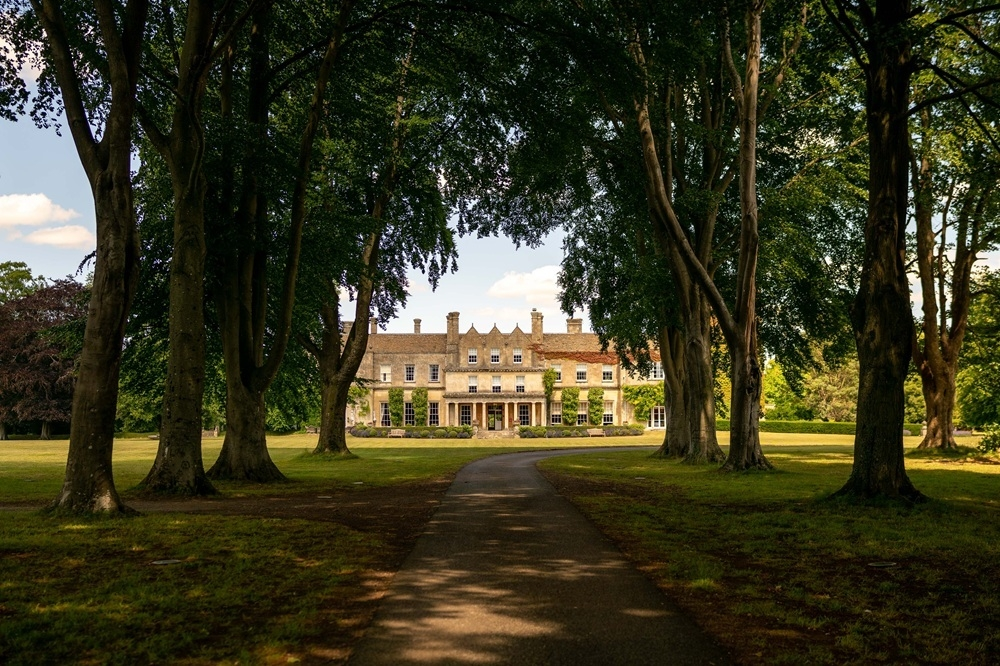
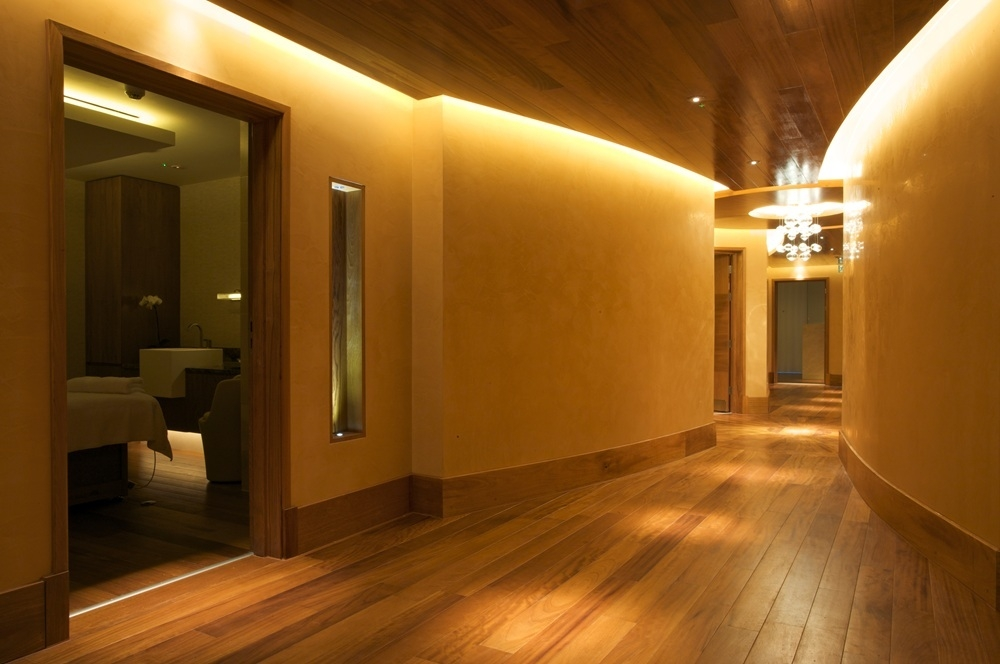
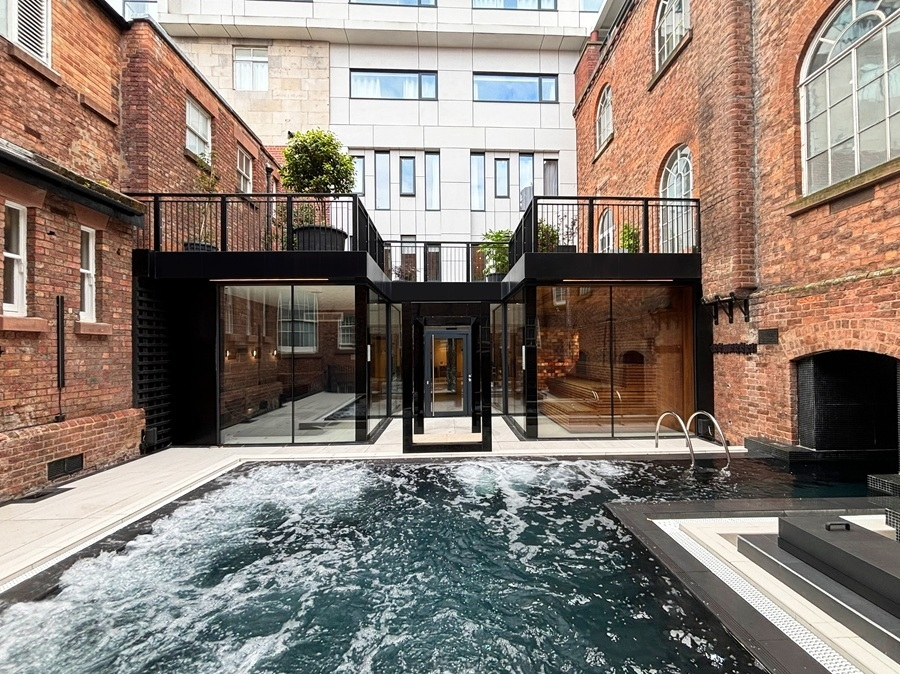
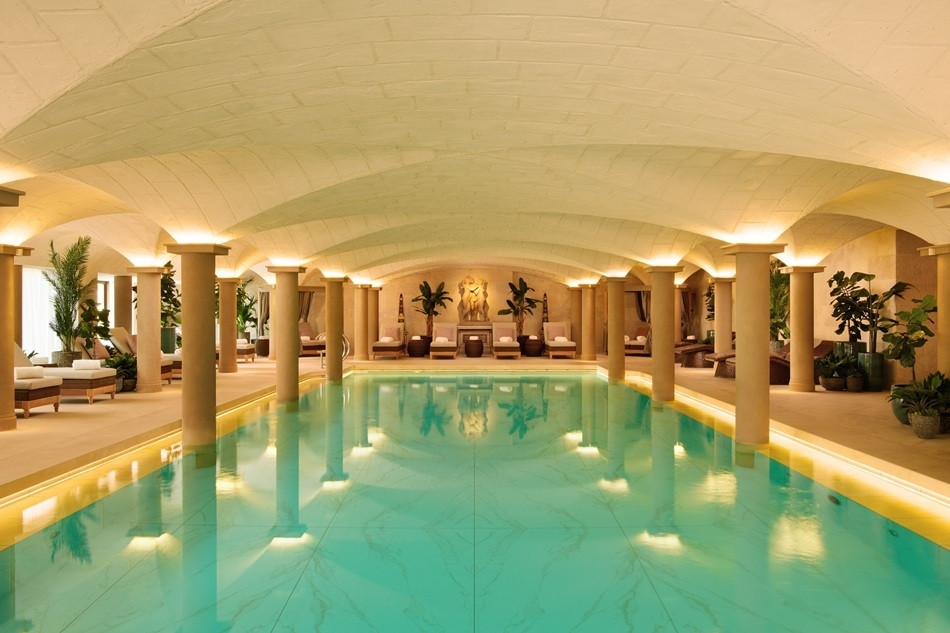
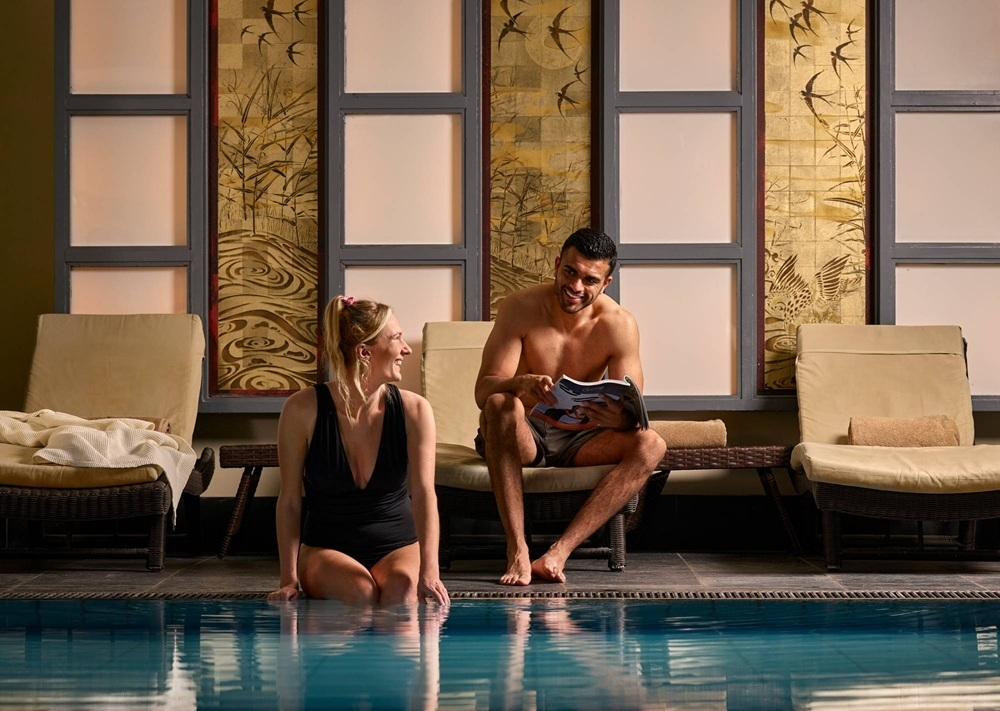
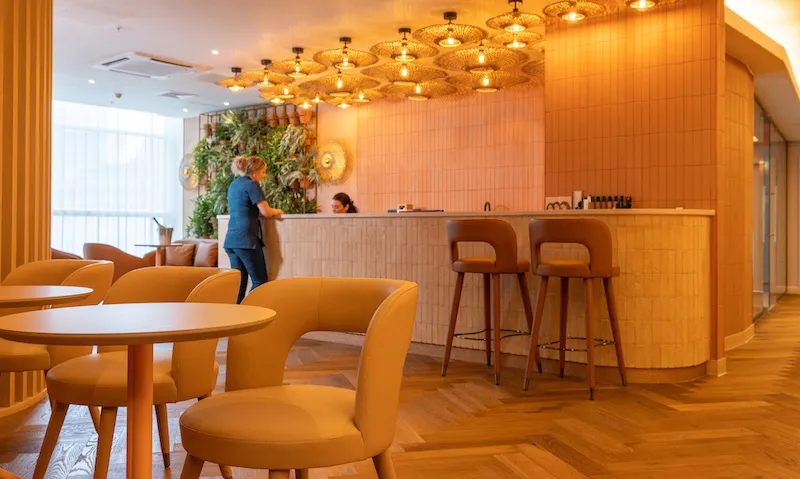
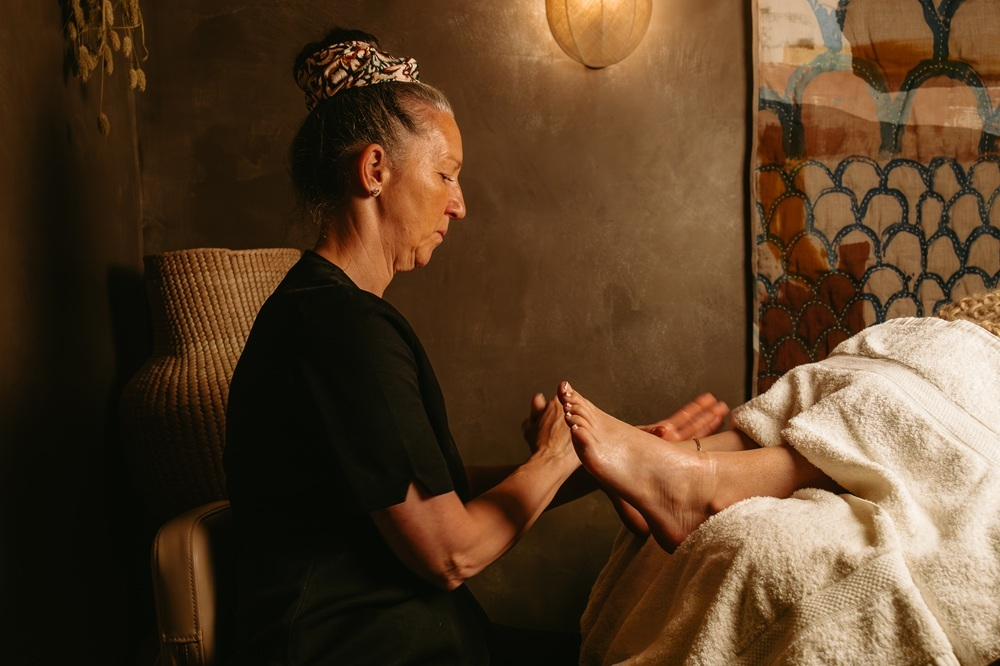
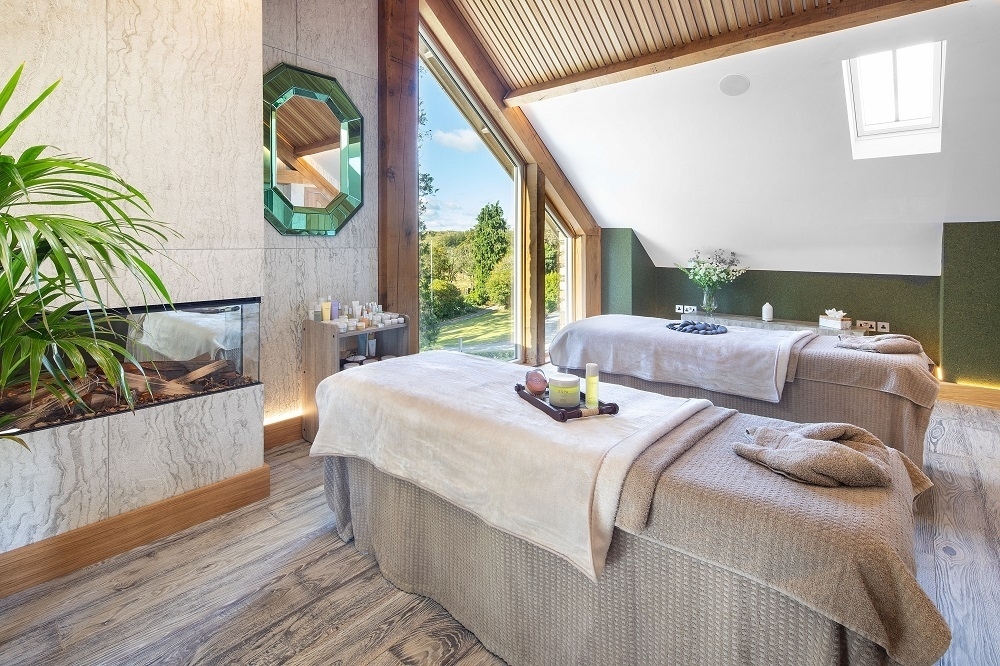
A survey conducted by Vagaro found that half of all professionals working in the beauty industry identify as neurodivergent. Three Graces Spa at Grantley Hall (pictured above) openly embrace neurodiversity within their team which, in turn, helps them create a thoughtful, guest-first approach. Empathetic staff often have a sixth sense for when a guest’s energy feels ‘off’, and can quickly adapt to improve the experience.
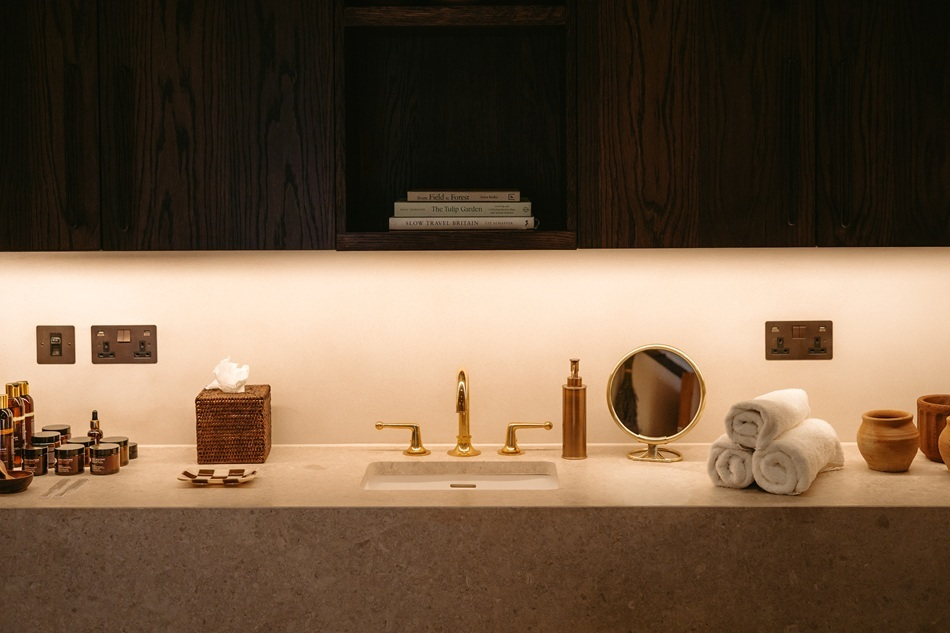
Recognising that spa environments can feel overwhelming - particularly in terms of sensory stimulation - the spa team has taken deliberate steps to soften the experience. From carefully controlled scent usage to exceptionally soft, high-quality treatment bedding (from BC Softwear), every detail is curated with comfort and sensitivity in mind. Group bookings are purposely declined, and the number of non-residential guests is carefully limited each day.
And if the thought of polite small talk breaks you out in a sweat, you are not alone. Thankfully, many spas now offer the option to request silence or minimal conversation during your treatment - look for the tick box on your consultation form.
Touchless treatments

Prefer not to be touched? No problem. Spas are increasingly weaving touchless, sound-led therapies into immersive experiences, pairing binaural beats, vibrations and coloured lights with dedicated pods, such as Somadome Meditation Pods, Welnamis Wave Beds or dry flotations experiences.
These treatments are designed to quiet mental chatter, reduce stress and guide the body into a deeply restorative state. Coworth Park’s Satori Wellness Loungers claim that a 30-minute session can deliver the equivalent of two hours of restorative sleep.
At SenSpa, the experience takes on a more futuristic edge with the AlphaSphere (pictured above). Created by Austrian artist and perception researcher Sha, this glowing fibreglass bed curves around the body, enveloping guests in shifting colour, sound, light and vibration. The result is a deeply immersive sensory environment designed to ease the mind a liminal, dreamlike state between wakefulness and sleep.
If you enjoy sharing the experience with other people, Heavenly Spa at Westin City runs a monthly floating sound bath session.
Sensory deprivation

Sensory avoidant? A flotation pod could be just the answer. A sensory deprivation tank, as it’s also known, is a dark, sound-proof tank designed for restricted environmental stimulation therapy (REST). The pod is filled with over 500kg of magnesium-rich Epsom salt (a wonder for restless legs) mixed with 1,000 litres of water at body temperature. Enter the pod (naked or in your swimwear), close the lid on the outside world and enjoy absolute silence and solitude for a whole heavenly hour. Once inside, you have control of the light and sound levels, too.
The first isolation tank was designed in the 1950s by American physician and neuroscientist, John C. Lily, who hoped to study the origins of consciousness by cutting off external stimuli. Sensory deprivation is said to let your brain enter a deeply relaxed, hypnagogic (dream-like) state, helping you tune into your inner self - if you’re brave enough…
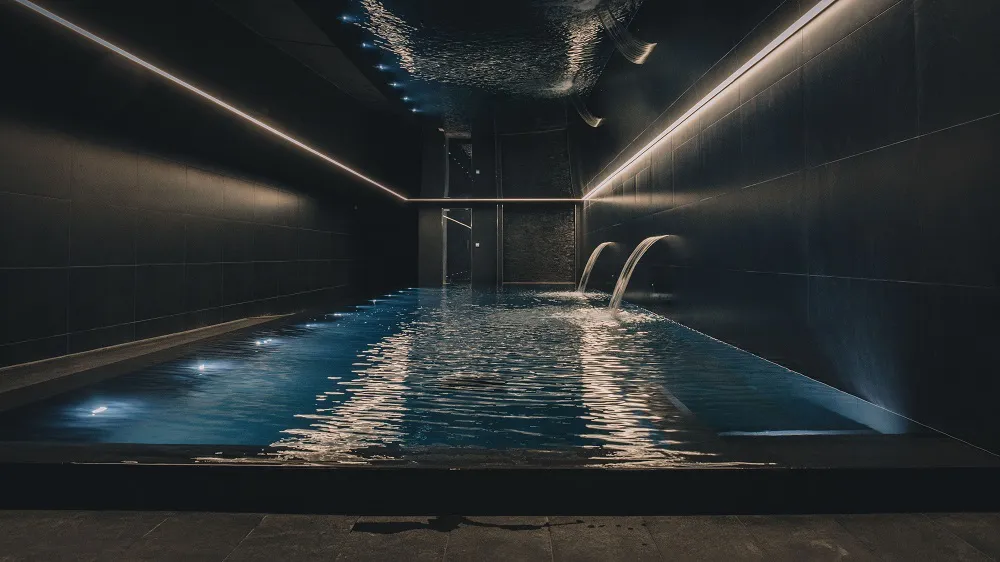
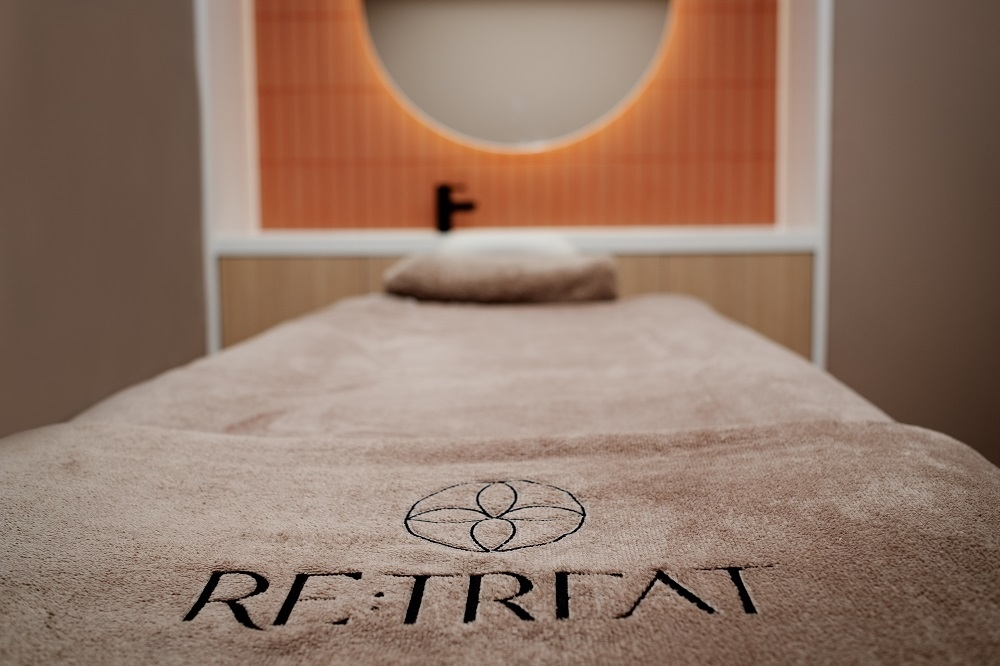
Beyond opening your mind, scientific studies have found some great health benefits. One study reported that “stress, depression, anxiety was significantly decreased, while optimism and sleep quality significantly increased.” Try it at RE:TREAT at The Lowry Hotel
(pictured above).
Private spa-ing

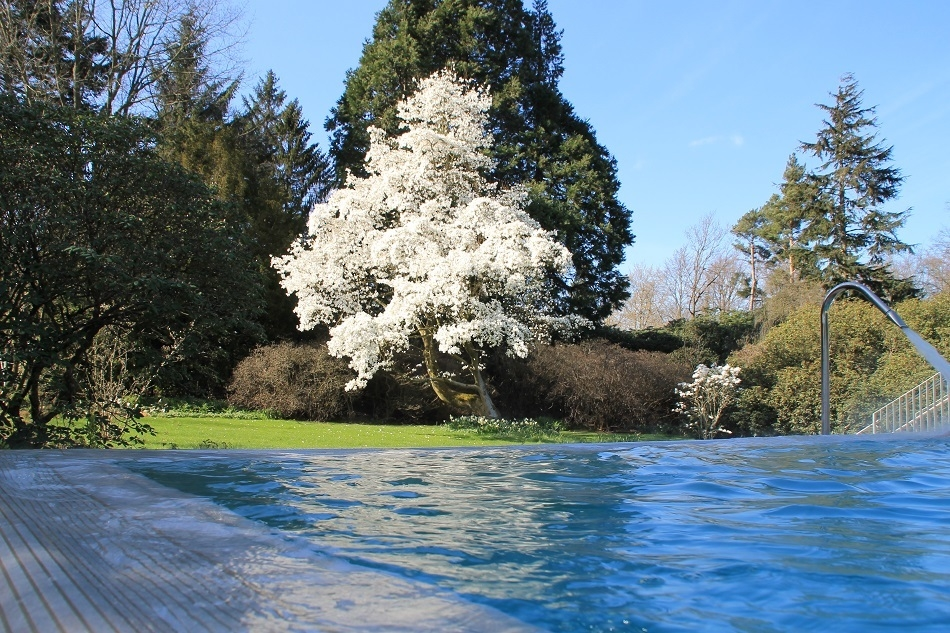
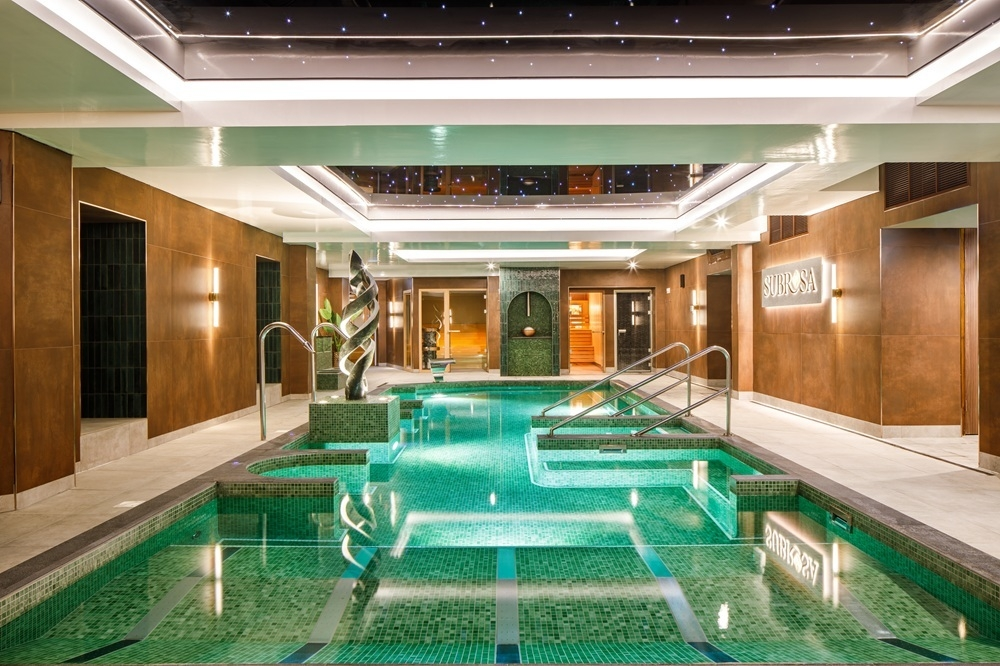
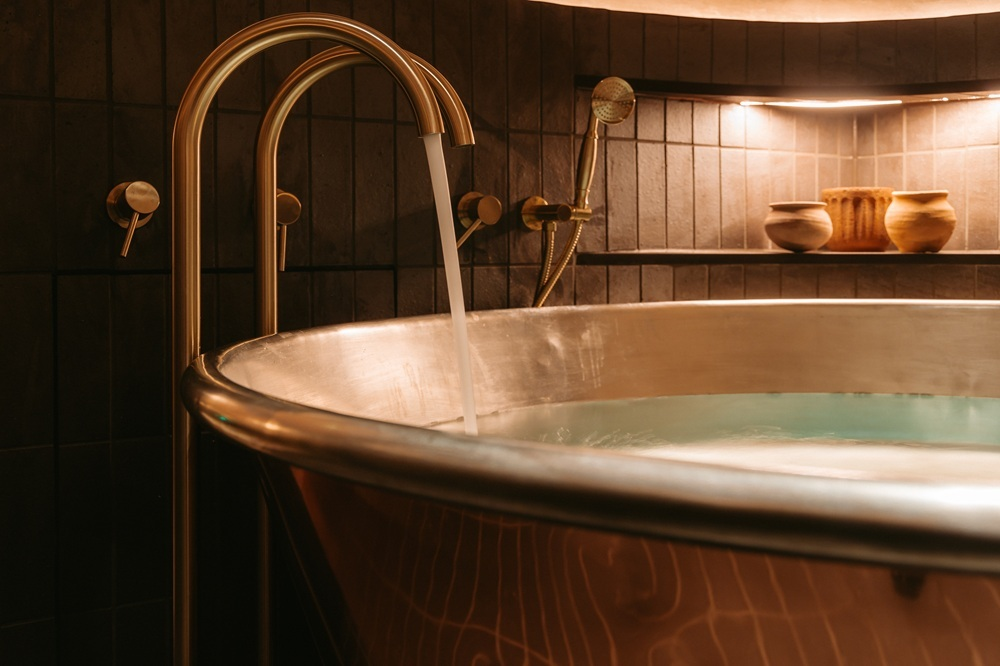
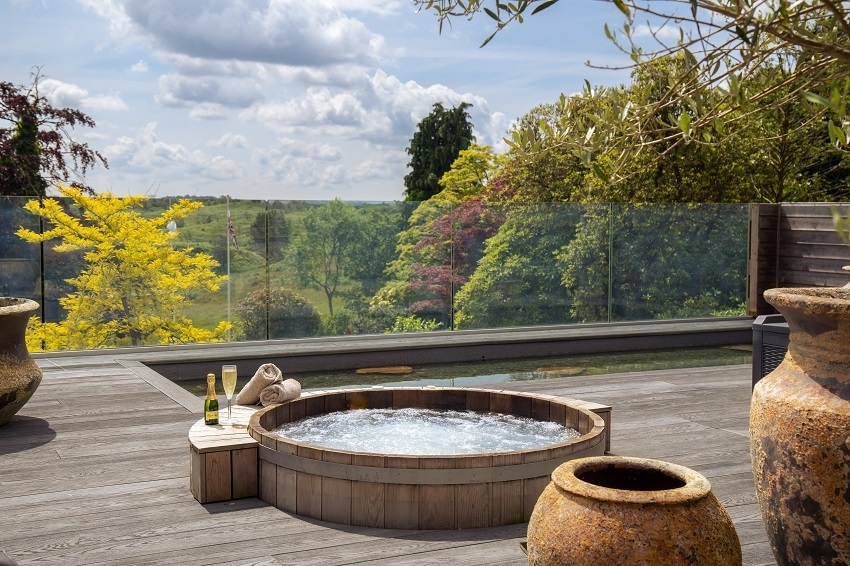
Spas are increasingly catering to those seeking privacy and minimal interaction, with experiences designed to be enjoyed entirely on your own terms - from self-guided rasuls (at SubRosa at The Grand, York) to secluded bathing rituals (like the Copper Bath Experience at Field Trip Spa, Brighton).
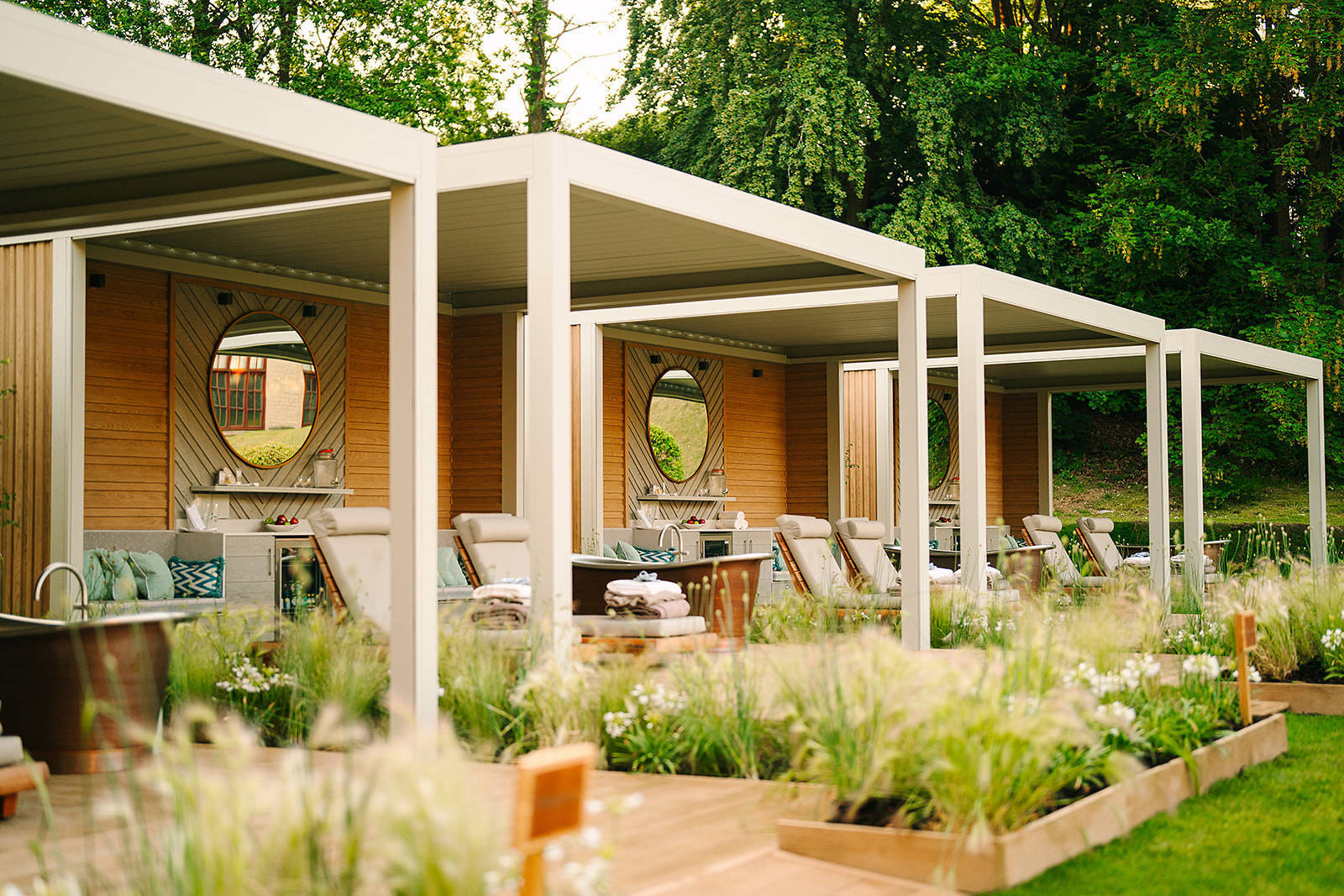
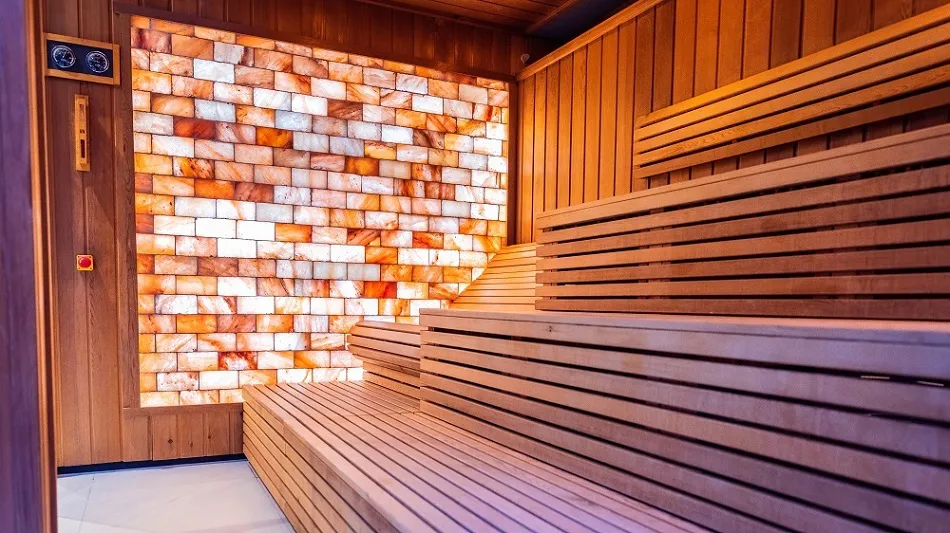
For VIP feels, you can book a private spa cabana at The Spa at Pennyhill Park (pictured above). These three-sided structures contain copper roll-top baths with spa jets, a fully stocked fridge, loungers for two and towels aplenty.
The Hideaway at The Spa at Breedon Priory comes complete with a private spa garden with retro egg chair for two, a fire pit, hot tub and mini bar. Packages include lunch or afternoon tea, a bottle of Prosecco and a 60-minute treatment.
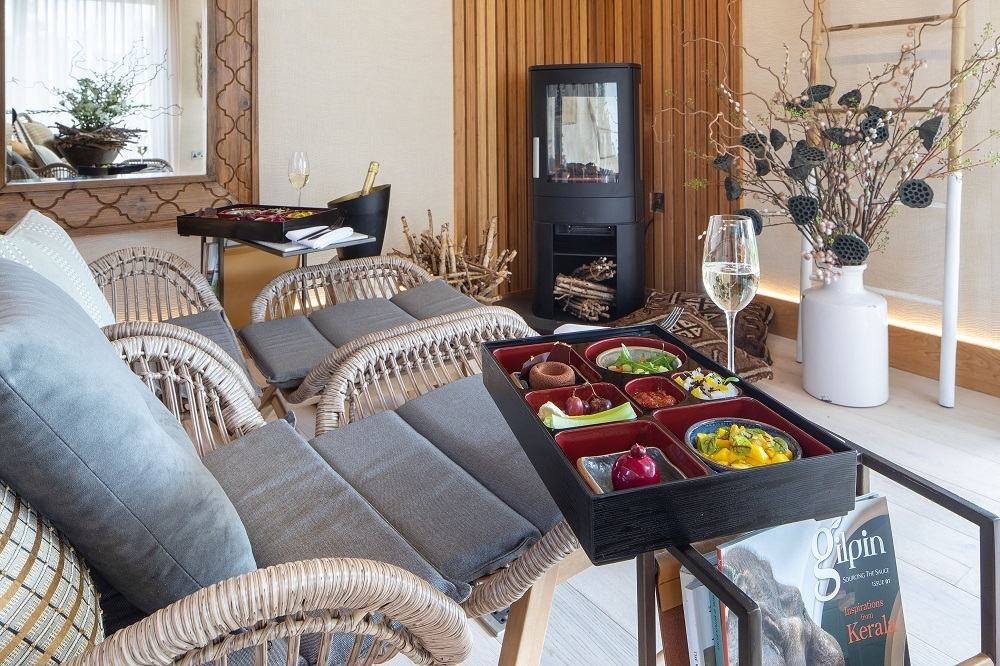
For an overnight escape, book the Gilpin Hotel's Spa Suites with their own dedicated spa room boasting a private sauna, steam room, infrared bed, massage chair and huge outdoor hot tub.

Scarlet Spy
9th April 2026
Spy Likes:
Nature-inspired spas, cold water plunges, sound baths, deep tissue massage, delicious food.
Spy Dislikes:
Thin walls in treatment rooms, lounger hoggers, soggy robes, bright lights.